News
Tenerife will advocate for the ocean as a global strategic asset at the 8th Meeting of the Seas
From May 3 to 6, the northern part of the island of Tenerife will host this prestigious international forum, which brings together science, gastronomy, fishing, and culture under the theme “Blue Natural Capital”
The Encuentro de los Mares will hold its eighth voyage from May 3 to 6, and for the first time, it will take place in northern Tenerife. “Blue Natural Capital” is the slogan chosen for this edition, reflecting an increasingly urgent need to put the ocean back at the center of public discourse. To this end, the forum will once again bring together scientists, chefs, fishermen, producers, and institutions around a shared conviction: we can no longer view the sea merely as a pantry or a landscape; rather, we must understand it as a living, fragile heritage that is crucial for both the present and the future.
This year, EDM Tenerife Despierta Emociones will also honor Theresa Zabell with the Sartún Award, a prize that recognizes careers closely linked to the sea. A key figure in Spanish Olympic sailing and a two-time Olympic champion, Zabell has extended her connection to the ocean beyond sports through her ongoing work to raise awareness and defend the marine environment. Through the Ecomar Foundation she launched after her athletic career, Zabell works on environmental education, sustainability, and respect for the coastal environment among young people, and has demonstrated how the public visibility of sports can become an effective tool for social transformation.
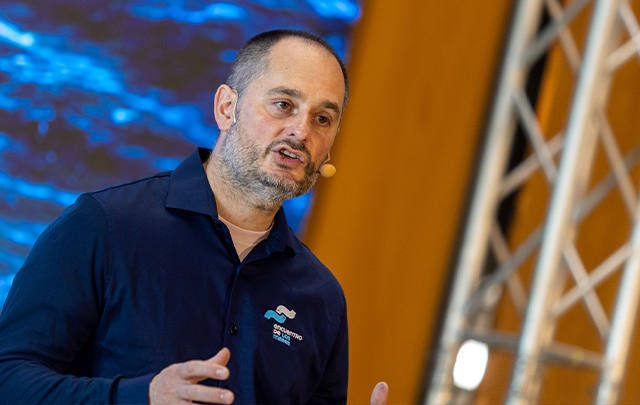
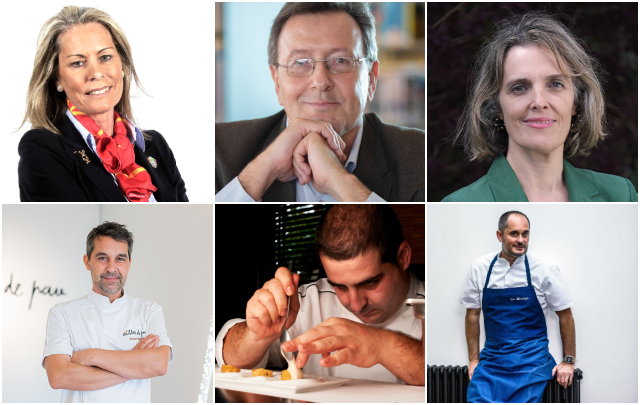
Among the participants are some of the most recognized voices on the international scene. Leading the list are Professor of Marine Sciences Carlos Duarte, scientific director of EDM; the European fisheries policy official, Lorella de la Cruz, Deputy Head of Unit - Blue Economy Sectors, Aquaculture and Maritime Spatial Planning at the European Commission; and chefs such as the French Alexandre Couillon (La Marine***, L’Herbaudière), the Galician Javier Olleros (Culler de Pau*,* O Grove), and the Basque chef based in Tenerife Erlantz Gorostiza (MB Abama*,* Guía de Isora). The full conference program will be announced in a few days and will feature speakers from ten different countries. Tenerife Despierta Emociones will also be well represented with participants in the presentations and roundtable discussions on cuisine, science, and fishing.
The event is sponsored by the Cabildo de Tenerife, through Turismo de Tenerife and its brand Tenerife Despierta Emociones, and also benefits from the active involvement of the Garachico City Council, the town where the public event will take place on Sunday, May 3.
Over the years, Encuentro de los Mares has established itself as a unique space for dialogue between disciplines that rarely come together. Science, gastronomy, sustainability, and culture converge here to consider the ocean from a broad perspective, connected to the great challenges of our time: marine biodiversity, responsible fishing, food innovation, ecosystem conservation, and the relationship we maintain with them as a society.
The concept chosen for this edition, Blue Natural Capital, stems from an observation as simple as it is decisive: seas and oceans are among the planet’s greatest assets. They are a concentration of biodiversity, food, energy, knowledge, memory, and identity. They are a source of life, the foundation of entire economies, and a key player in climate regulation. Food chains, coastal communities, and territories that live—and in many cases survive—thanks to the sea depend on their balance. This capital is not abstract. It lies in the aquatic ecosystems that provide essential ingredients for gastronomy, from fish and shellfish to seaweed. It is also found in the quality of these foods, in the culinary traditions born around saltwater, and in the way many cultures have built their relationship with the land. Protecting this heritage is essential to sustaining a diverse, conscious, and sustainable gastronomy.
But talking about blue natural capital also means acknowledging that this wealth is not guaranteed. The health of the oceans influences air quality, climate stability, food availability, and the resilience of many communities. That is why EDM Tenerife Despierta Emociones will focus on the need to manage this heritage intelligently: responsible fishing, habitat protection, the blue economy, clean marine energy, ocean floor restoration, and the fight against plastics and pollution will all be part of the discussion.
This perspective will not be solely scientific or economic. Encuentro de los Mares will once again highlight the cultural dimension of the ocean. Maritime societies have built trades, cuisines, stories, and identities around water. Memory, commerce, creativity, and knowledge coexist along the coasts. Recognizing the value of blue natural capital also meansunderstanding that the sea is not an infinite resource, but a delicate partner whose protection demands commitment and a long-term vision.
The program for this eighth edition will have a strong scientific focus and a broader perspective on the fishing sector.
Issues such as the value of marine life, the role of the EU’s fisheries strategy in shaping the future of the sea, seagrass beds as natural capital, the relationship between the ocean, the economy, and food, and the cases of Portugal and Africa as examples of ecosystems that nourish and generate value will be addressed. The program will also explore how gastronomy can serve as a voice for the fishing sector. As usual, cuisine will occupy a central place in the program, with presentations and roundtables dedicated to haute cuisine of the sea, seafood restaurants and signature seafood establishments, the new horizons of seafood cuisine, the flavors of the Adriatic or the seas bordering the Nordic countries, and the dialogue between mountain and sea as one of the great contemporary narratives of the product.
Fishing, one of the conference’s main themes, will be addressed through fundamental questions: whether there is a future for the artisanal fishing trade, what we would lose without it, and what role aquaculture should play in food supply. Within this framework, the conference will dedicate a specific review to the present and future of aquaculture in the Mediterranean and will also open a space to consider how to reconnect consumers with seafood.
Tenerife will also play a special role within the program. Discussions will cover the role of marine reserves in the island’s fishing industry, the Canary Islands’ rich marine heritage, and a particularly sensitive issue for the archipelago: the risk of ciguatera. Ciguatera, a form of food poisoning caused by fish containing ciguatoxins, has necessitated the implementation of specific controls on certain catches in the Canary Islands, as well as the establishment of a dedicated epidemiological surveillance system. The EU’s leading expert on the subject, Ana Gago-Martínez (Professor at the University of Vigo, Researcher in Analytical and Food Chemistry, she was Director of the EU Reference Laboratory for Marine Biotoxins) will deliver a presentation at the conference.
The program will also pay tribute to the conference’s mascot, the Sartún—that hybrid figure with a sardine’s head and a tuna’s tail—through several sessions dedicated to the sardine from three complementary perspectives: cuisine, fishing, and nutrition.
The conference will kick off on Sunday, May 3, with a Popular Gastronomic Day in Garachico’s Plaza de la Libertad, where the public can enjoy seafood tastings at affordable prices. It will serve as the open prelude to an event that, once again, asserts something as simple as it is urgent: that the future of the planet also hinges on the sea.
Related news
News
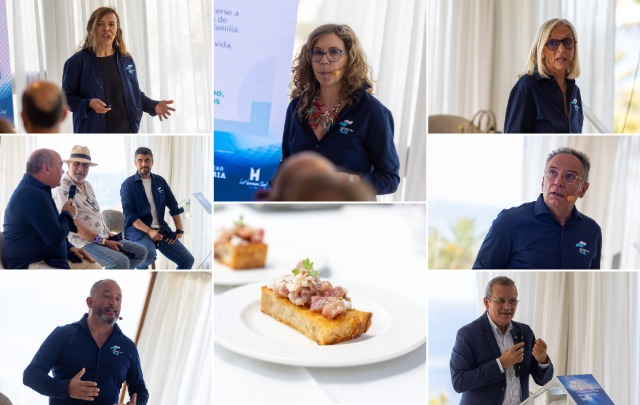
Tenerife wraps up the 8th Meeting of the Seas with a resounding message: “The sea is worth so much more alive than dead”
News
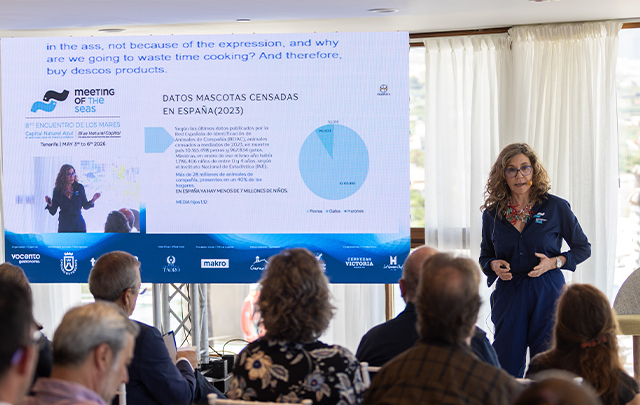
The Challenge of Fish on Spanish Tables: María Luisa Álvarez’s Call to Revive the Culture of the Sea
News

Ciguatera: An Emerging Threat in the Canary Islands
News
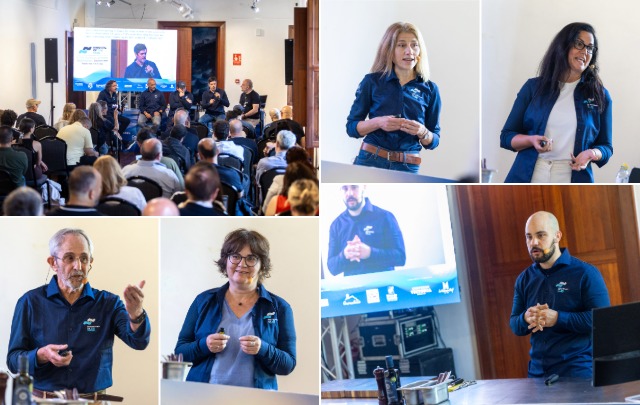
The “Meeting of the seas” conference puts a price tag on the oceans in Tenerife: they generate $2.2 trillion and shape the future of food
News
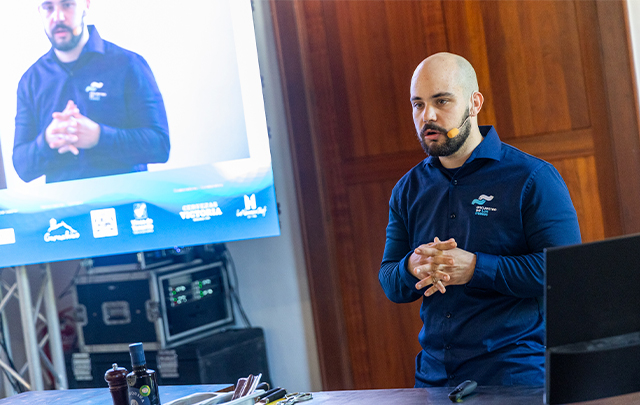
Rethinking the taste of the sea through memory and sustainability
News
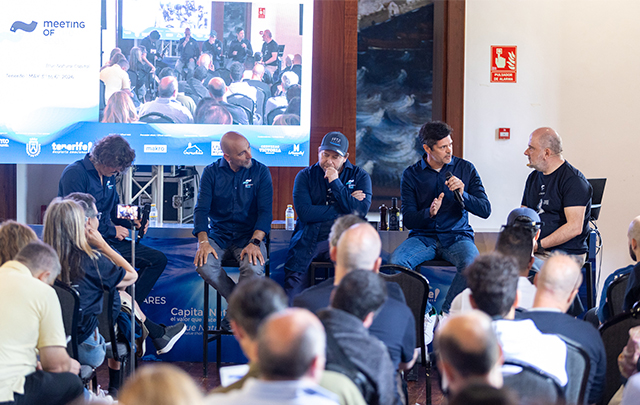
New horizons in seafood cuisine: authenticity, sustainability, and creativity from the Atlantic to the Mediterranean
News
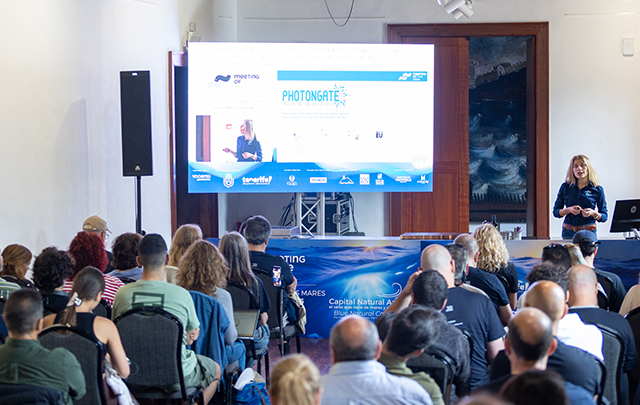
The Science Behind the Taste of the Sea: Ana Fuentes and the Sustainable Revolution in Seafood
News
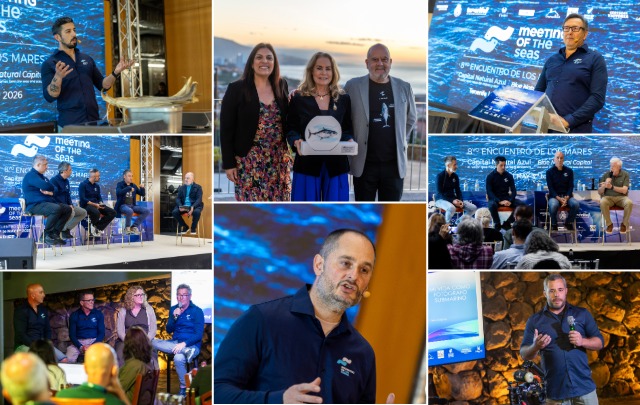
The 8th Meeting of the Seas calls for putting a price on the value of marine life in order to protect it
News
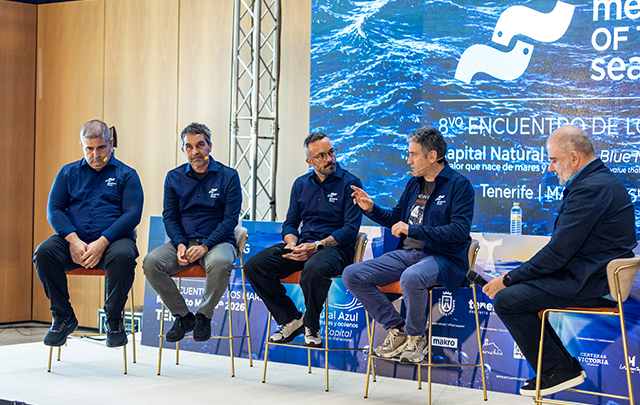
The luxury of simplicity
News