News
Alexandre Couillon: the memory of the sea on a plate
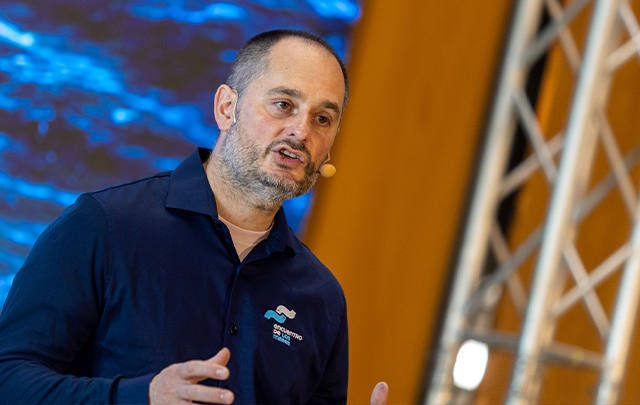
French chef Alexandre Couillon, of the restaurant La Marine on the island of Noirmoutier, shared his vision of cuisine as a vehicle for memory and environmental awareness. His presentation, delivered as part of a culinary event, combined personal storytelling, culinary technique, and a deep connection to the marine environment that defines his work.
Couillon began by recalling his arrival in Noirmoutier in 1999, a year marked by the tragedy of the Erika oil tanker disaster, which spilled thousands of tons of crude oil off the coast of Brittany. That catastrophe, he explained, shaped his life and his cuisine. “For years, when I went to the beach with my daughters, we kept finding layers of fuel oil beneath the sand,” he recounted. From that experience came the idea of creating a dish that would evoke the ecological wound, though he initially dismissed it due to the cultural aversion to serving products “bathed in black.”
Years later, the chef decided to revive that creation: an oyster cooked in a black broth of cuttlefish and lard, accompanied by tapioca, dried ginger, and a “snow” of pork fat and corn that evokes the sea’s foam. The result, he explained, is not only a tribute to nature but also a way to transform pain into beauty and memory. “When customers see the dish, they remember 1999. Cooking emotions is about not forgetting,” he said.
During the demonstration, Couillon detailed the preparation of the dish with the help of his daughter Emma, who recently joined the family restaurant. The recipe, meticulous and symbolic, combines technical precision and artistic sensibility: the dark broth is strained until it achieves a concentrated texture, the oysters are cooked at a low temperature, and the ginger is dried to provide a sandy texture. The final presentation, on specially designed white tableware, seeks to highlight the contrast between purity and stain, between life and the mark of disaster.
The chef took the opportunity to discuss the philosophy of La Marine, a restaurant that works exclusively with seafood and products from its immediate surroundings. “Every night we empty the refrigerators; the next day, the story begins anew,” he explained. His team cultivates a 4,000 m² vegetable garden and collaborates with local artisans, from fishermen to potters who craft the tableware using clay and seaweed from the salt marshes.
Couillon also addressed the effects of climate change on fishing, noting how species have altered their cycles: “We used to have red mullet in the summer; now they appear in November. The sea is changing.”
The presentation concluded with a reflection on the responsibility of the contemporary chef: “If another oil spill were to happen today, we would have to close. We live off the sea, and the sea gives us everything. Our cuisine is an act of respect and remembrance.”
With his characteristic humility, Alexandre Couillon demonstrated that haute cuisine can also be a poetic and ethical language, capable of telling the story of a region and reminding us, through flavor, that the beauty of the sea is as fragile as it is essential.
Related news
News
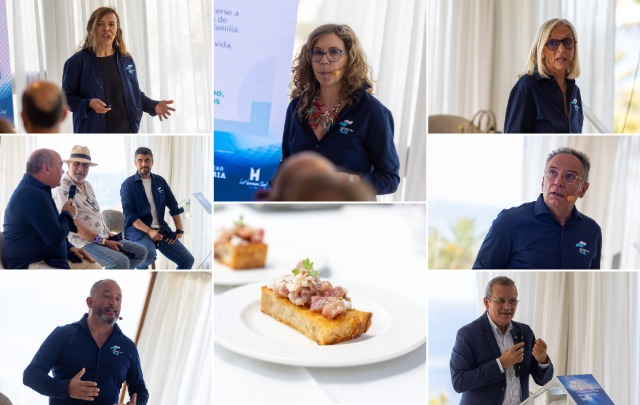
Tenerife wraps up the 8th Meeting of the Seas with a resounding message: “The sea is worth so much more alive than dead”
News
The Challenge of Fish on Spanish Tables: María Luisa Álvarez’s Call to Revive the Culture of the Sea
News

Ciguatera: An Emerging Threat in the Canary Islands
News
The “Meeting of the seas” conference puts a price tag on the oceans in Tenerife: they generate $2.2 trillion and shape the future of food
News
Rethinking the taste of the sea through memory and sustainability
News
New horizons in seafood cuisine: authenticity, sustainability, and creativity from the Atlantic to the Mediterranean
News
The Science Behind the Taste of the Sea: Ana Fuentes and the Sustainable Revolution in Seafood
News
The 8th Meeting of the Seas calls for putting a price on the value of marine life in order to protect it
News
The luxury of simplicity
News