News
The luxury of simplicity
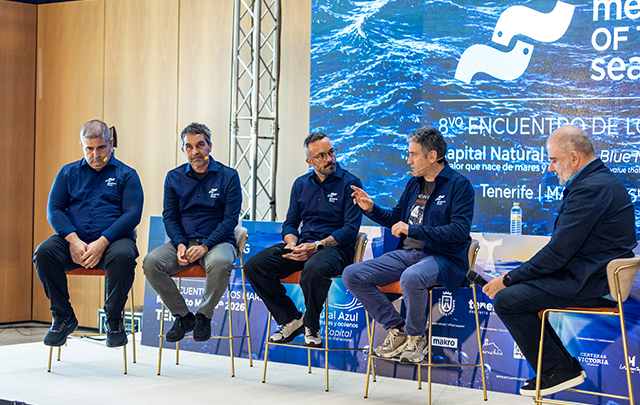
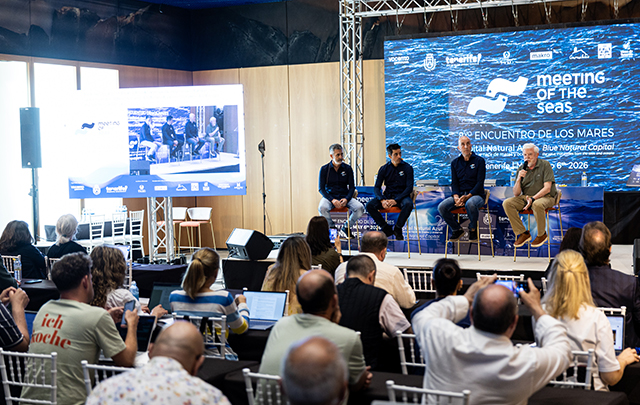
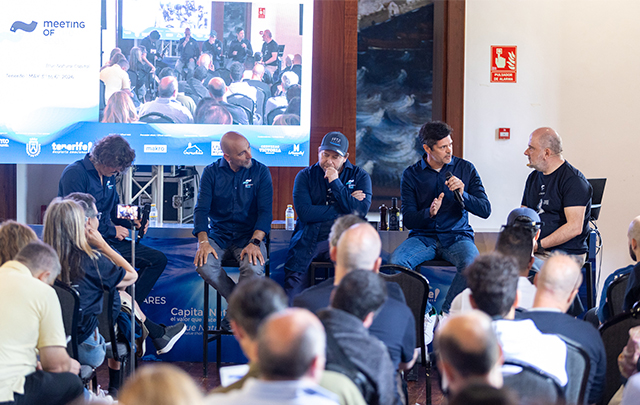
Chefs Javier Olleros (Culler de Pau, Galicia), Erlantz Gorostiza (MB Ritz-Carlton Abama, Tenerife), Josean Alija (Nerua Guggenheim, Bilbao), and Iván Domínguez (Nado, A Coruña) discussed a phenomenon that concerns both the culinary world and sustainability: the decline in fish consumption in Spain, which has fallen by 50% since the 1980s and 1990s. The discussion, titled “Sardines, Mackerel, and Horse Mackerel,” served to highlight the value of small oily fish—humble species that are nutrient-rich, sustainable, and deeply rooted in the country’s culinary identity.
Josean Alija opened the conversation by noting that “sardines, horse mackerel, and anchovies are unbeatable in terms of nutrition,” and that their current lack of prestige stems more from trends and perceptions than from their actual quality. The Bilbao-based chef championed creativity as a tool to “elevate” these products, citing examples from his kitchen such as salt-cured mackerel, grilled tuna belly with sea urchins, and anchovies prepared with sage and fresh pasta. For his part, Iván Domínguez explained that at his restaurant Nado, bluefish form the backbone of the menu, and that the Galician public responds well to dishes featuring anchovies or charda. “It’s not a fallback option or a low-quality fish,” he said, “but an excellent product in season. What’s lacking is the courage and creativity to showcase it.”
Javier Olleros agreed that the key lies in reviving the culture of the sea and seasonality, noting that “sardines, horse mackerel, and mackerel are gastronomic gems that speak to our land and our heritage.” For the Galician chef, the responsibility lies in “going to the market, avoiding standardization, and cooking with purpose.”
Erlantz Gorostiza offered the Canarian perspective, where, paradoxically, fish consumption is low despite being surrounded by the sea. He explained that the islands’ volcanic geography, with seabeds exceeding 400 or 500 meters, limits local fishing and makes it less profitable. “Tuna is the main staple, but most of the fish consumed in the Canary Islands comes from Africa,” he noted. The Basque chef based in Tenerife highlighted the lack of culinary awareness and education, comparing the loss of diversity in fish consumption to what happened with meat: “People used to eat everything; today they only seek out the sirloin or the fillet.”
Benjamín introduced a concept that resonated with the speakers: the “filletization of life,” that tendency to simplify food until it is reduced to boneless products, devoid of history and requiring no effort. The chefs agreed that education is the essential tool for reversing this cultural loss. “We must teach young people to cook, to handle the product, to understand where it comes from,” insisted Olleros. Alija added that “the best manager is a homemaker who knows what goes into her kitchen,” and lamented that big-box stores are eliminating traditional fishmongers: “Mercadona has already announced that it will sell only packaged fish. It’s a huge step backward.”
The discussion turned to ethics in fishing and haute cuisine. The chefs agreed on the need to let certain overexploited species, such as sea bass or salmon, rest, and to look toward other seafood products. “We must respect the rules of the sea and adapt to them,” stated Alija. The rise of bluefin tuna, which has become a symbol of gastronomic status, was also addressed. It was noted that just a few decades ago it was a despised fish—“in Denia they used to bleach it with vinegar to make it look nice,” Alija recounted—and that today its captive breeding poses serious sustainability issues.
The roundtable concluded with a unanimous message: the revival of consumption of small, local fish is not just a culinary issue, but a cultural and ecological one. “If young people lack a gastronomic culture, we’re finished,” warned Alija. “It’s up to all of us,” added Olleros, “from chefs to families, including government agencies. We must start cooking sardines, mackerel, and horse mackerel again, and do so with pride.”
In a country that was once a fishing powerhouse and now imports much of its fish, the chefs agreed that the future of Spanish gastronomy lies in looking to the sea with humility, respect, and creativity. The conversation between Olleros, Gorostiza, Alija, and Domínguez was not just a defense of blue fish, but a call to reclaim our culinary consciousness. In an age of haste, packaging, and bland flavors, these chefs reminded us that true luxury lies in simplicity: a fresh sardine, a grilled mackerel, or a well-prepared horse mackerel can be the best symbol of a cuisine that hasn’t forgotten its roots.
Related news
News
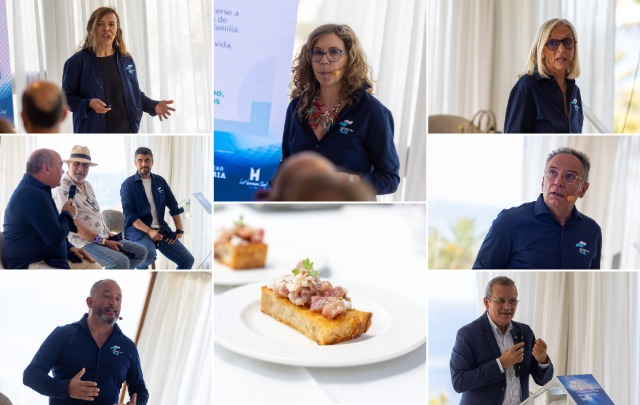
Tenerife wraps up the 8th Meeting of the Seas with a resounding message: “The sea is worth so much more alive than dead”
News
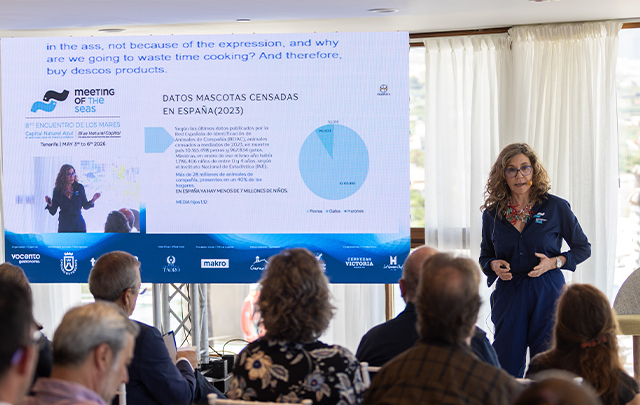
The Challenge of Fish on Spanish Tables: María Luisa Álvarez’s Call to Revive the Culture of the Sea
News

Ciguatera: An Emerging Threat in the Canary Islands
News
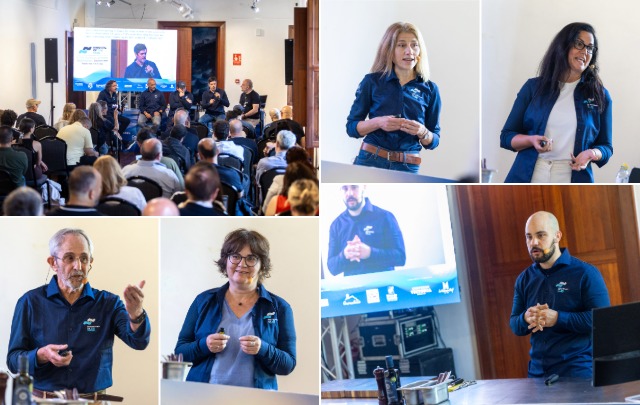
The “Meeting of the seas” conference puts a price tag on the oceans in Tenerife: they generate $2.2 trillion and shape the future of food
News
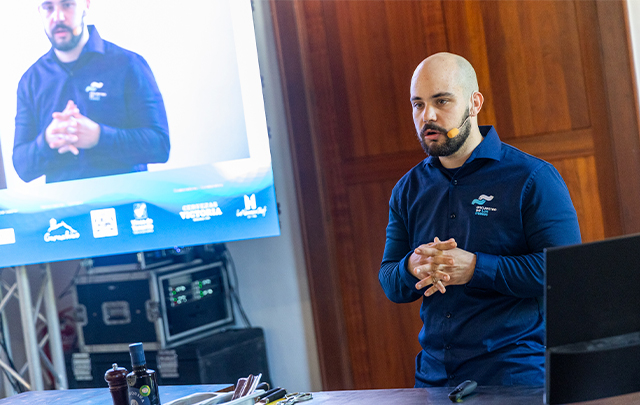
Rethinking the taste of the sea through memory and sustainability
News
New horizons in seafood cuisine: authenticity, sustainability, and creativity from the Atlantic to the Mediterranean
News
The Science Behind the Taste of the Sea: Ana Fuentes and the Sustainable Revolution in Seafood
News
The 8th Meeting of the Seas calls for putting a price on the value of marine life in order to protect it
News
Alexandre Couillon: the memory of the sea on a plate
News