News
Ciguatera: An Emerging Threat in the Canary Islands
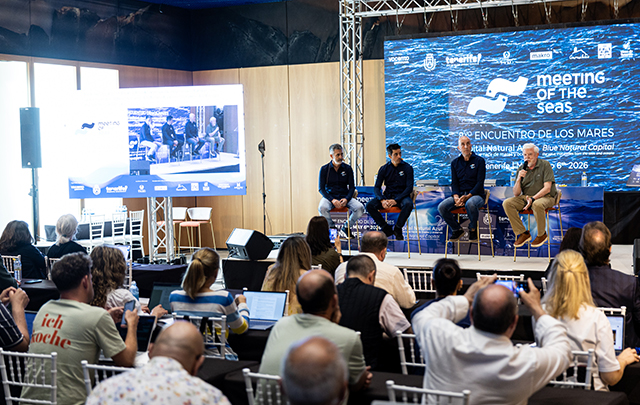
Professor Ana Gago-Martínez, a researcher at the University of Vigo and former director of the European Union Reference Laboratory for Marine Biotoxins, presented a recent paper on scientific advances and challenges in managing the risk of ciguatera in the Canary Islands, a form of food poisoning that, although little known in Europe, has become an emerging public health problem.
Ciguatera is caused by ciguatoxins, natural compounds produced by the microalga Gambierdiscus, which proliferates on warm, coral-rich seabeds. These toxins accumulate in the marine food chain, affecting large fish such as amberjack and grouper, and can cause gastrointestinal and neurological symptoms in humans, including the characteristic thermal inversion—the sensation of feeling cold when touching hot objects and vice versa.
The first documented case in the Canary Islands occurred in 2004, when a family became ill after consuming a contaminated amberjack. Since then, incidents have become more frequent, driven by factors such as climate change, the globalization of the fishing trade, and the lack of specific regulations in Europe.
Gago highlighted the legislative ambiguity surrounding ciguatoxins in European regulations. Although the European Food Safety Authority (EFSA) recognizes the risk, no legal limits have yet been established. This situation led to the creation of the Eurocigua project, co-funded by the EFSA and coordinated by Spanish and Portuguese institutions, with the aim of characterizing the risk of ciguatera in the Canary Islands and Madeira.
The project, launched in 2016, has enabled the development of advanced analytical methods to detect and confirm the presence of ciguatoxins using mass spectrometry, as well as the optimization of cell-based assays that evaluate the toxicity of samples. Thanks to this collaboration, the presence of Caribbean-type toxins in Canarian fish was confirmed, although at concentrations much lower than those observed in the Pacific.
The Canary Islands have become a pioneer in Europe by establishing an official surveillance protocol for ciguatera control, based on the results of the Eurocigua project. This protocol includes monitoring both local and imported species, as cases have been detected associated with fish from India and other tropical regions.
Gago emphasized the importance of educating the public without causing alarm: “We must inform, not scare. Fish should continue to be consumed, but with caution and responsibility.” She also highlighted the need to report cases of poisoning and preserve the fish samples involved, to facilitate research and improve the public health response.
In her remarks, the Galician scientist recalled the influence of Professor Yasumoto, a pioneer in the study of marine biotoxins, and thanked international experts such as Dr. Dickey of the FDA for their collaboration.
The presentation concluded with an optimistic message: although ciguatera represents an emerging risk, scientific advances and cooperation among European institutions are laying the groundwork for reliable analytical control and sustainable fishing. “The challenge,” Gago stated, “is to maintain surveillance and research without hindering economic development or responsible fish consumption.”
Related news
News
Tenerife wraps up the 8th Meeting of the Seas with a resounding message: “The sea is worth so much more alive than dead”
News
The Challenge of Fish on Spanish Tables: María Luisa Álvarez’s Call to Revive the Culture of the Sea
News
The “Meeting of the seas” conference puts a price tag on the oceans in Tenerife: they generate $2.2 trillion and shape the future of food
News
Rethinking the taste of the sea through memory and sustainability
News
New horizons in seafood cuisine: authenticity, sustainability, and creativity from the Atlantic to the Mediterranean
News
The Science Behind the Taste of the Sea: Ana Fuentes and the Sustainable Revolution in Seafood
News
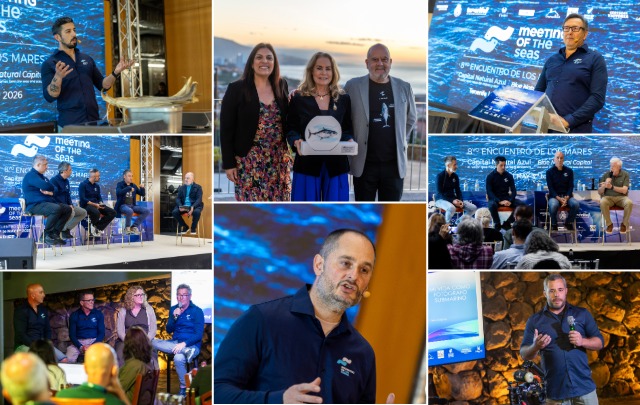
The 8th Meeting of the Seas calls for putting a price on the value of marine life in order to protect it
News
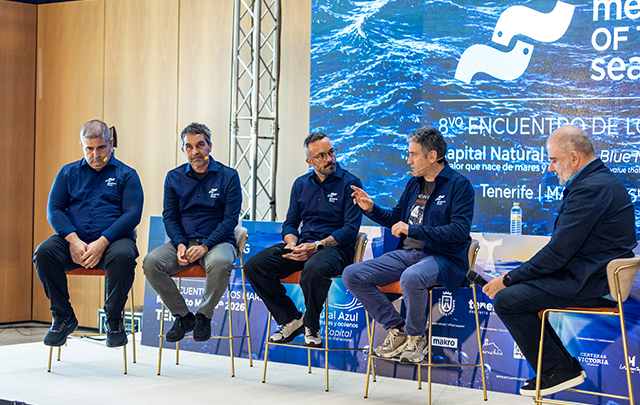
The luxury of simplicity
News
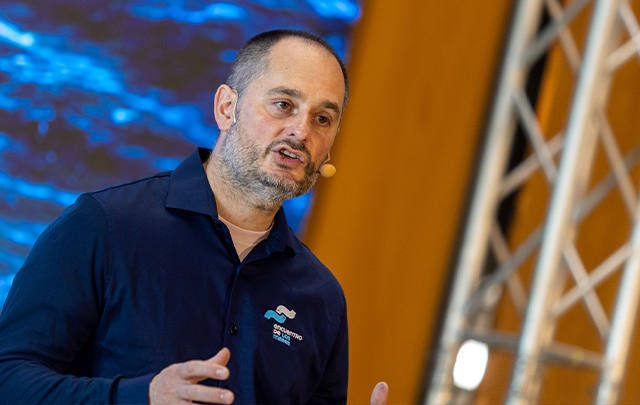
Alexandre Couillon: the memory of the sea on a plate
News