News
New horizons in seafood cuisine: authenticity, sustainability, and creativity from the Atlantic to the Mediterranean
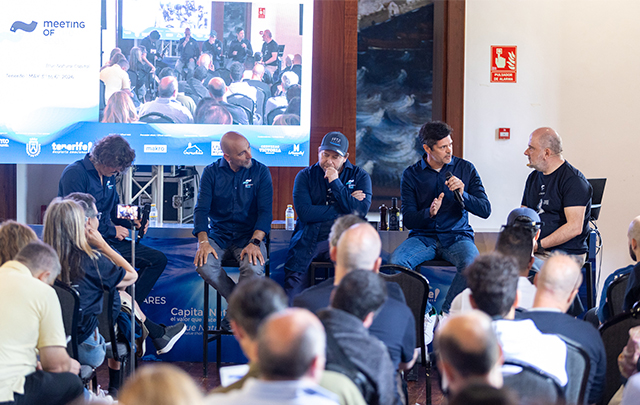
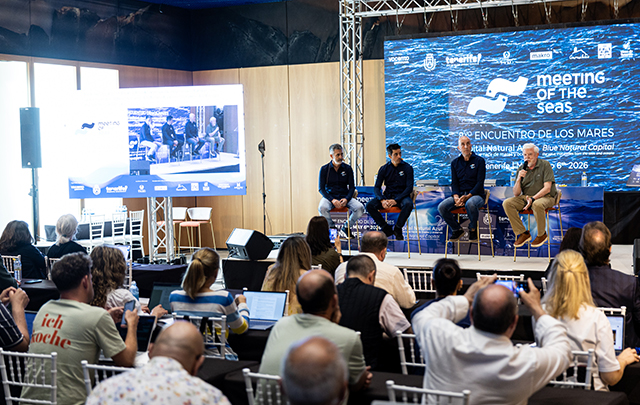
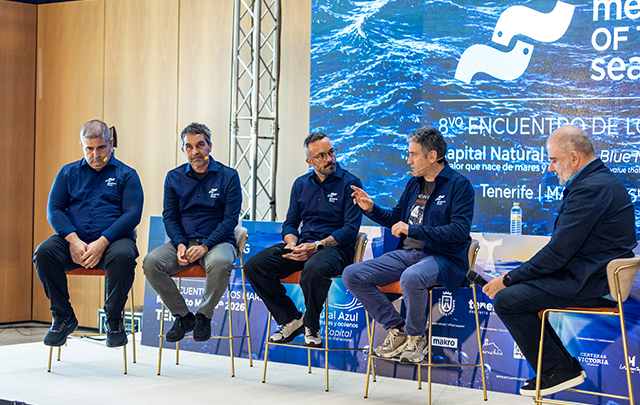
At a time when the oceans demand greater awareness, four Michelin-starred chefs gathered to discuss the present and future of seafood cuisine. Pablo Vicari (Elkano*), Gil Fernandes (Fortaleza do Guincho*), Benito Gómez (Bardal**), and Diego Schattenhofer (Taste 1973*) participated in a roundtable discussion moderated by Benjamín Lana, where they addressed the challenges of sustainability, innovation, and authenticity in seafood cuisine.
Tradition and technique: a return to the roots
Gil Fernandes, from the Portuguese coast, emphasized the importance of seaweed as an ingredient of the future: “It doesn’t just beautify the dish; it adds depth and sustainability. We need to include more seaweed in our menus.” His approach aligns with a vision of cuisine that respects the environment and makes use of coastal resources without depleting them.
Elkano: knowledge, territory, and sustainability
Pablo Vicari, heir to the Elkano philosophy, recounted how the relationship with local fishermen has been key to maintaining the restaurant’s essence. “Knowledge lies in the sea and in those who work it,” he affirmed. He shared a revealing anecdote: a fisherman taught him that red mullet bitten by conger eels were the tastiest—a lesson in sustainability and folk wisdom that today inspires one of the restaurant’s most iconic dishes.
Vicari also recalled how Elkano has evolved beyond turbot and cococha, incorporating lesser-known species and parts of the fish traditionally discarded. “The customer comes for the turbot, but returns for the mackerel head,” he said with a laugh.
Science and the Sea: Diego Schattenhofer’s Perspective
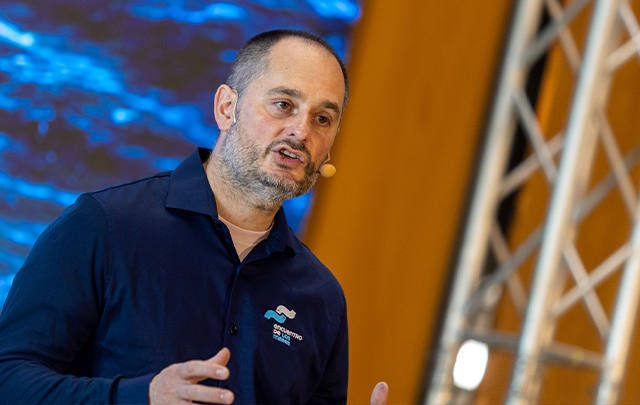
From Tenerife, Diego Schattenhofer offered the perspective of scientific research applied to cuisine. His work with universities and oceanographic centers has allowed him to explore new species and enzymatic aging techniques. “Creativity is born from the unknown,” he explained. At his restaurant Taste 1973, collaboration with scientists has opened the door to deep-sea products and a cuisine that seeks to soften flavors without losing identity, adapting to an international clientele.
Schattenhofer also highlighted the need to create new fishery resources through collaborative projects between fishermen, institutions, and private capital, such as the one developed in the Canary Islands with deep-sea carabinero shrimp.
Bardal and Andalusian cuisine: memory and territory
Benito Gómez, from Ronda, championed Andalusian cuisine as an inexhaustible source of inspiration. “Andalusian seafood cuisine, both cold and hot, is pure memory,” he stated. Although his restaurant is located inland, Gómez emphasizes his connection to the sea and the importance of utilizing even invasive species, such as the blue crab, from a creative perspective: “You have to fight the enemy by eating it.” Adapting Without Losing the Essence The chefs agreed that adapting to the public is a constant challenge. In tourist destinations, where foreign visitors predominate, the challenge is to maintain authenticity without sacrificing accessibility. “Many English customers prefer meat, so we look for techniques that mellow the flavor of the fish without losing its soul,” explained Schattenhofer.
Vicari added that at Cataria, his project in Cádiz, they have learned to present the sea in a welcoming way: “At first we removed the bones and shells, but over time customers became more willing to try new things. It’s an invitation to the sea.”
Aquaculture, diversity, and the future
The discussion concluded with a reflection on aquaculture and the need to diversify species. Fernandes was blunt: “I don’t buy aquaculture products, not even for my own home. The sea offers thousands of options; we can’t limit ourselves to just ten.” Vicari agreed that aquaculture can alleviate pressure on the sea, but cautioned: “It makes no sense to raise fish that are fed on other fish.”
Benito Gómez, more pragmatic, pointed out that economics also shape decisions: “In a restaurant with an average check of 35 euros, you can’t serve wild sea bass. We have to be honest: sustainability also depends on viability.”
New Horizons
In the final round, the chefs shared their “seafood favorites”: Vicari chose mackerel, Fernandes the sea anemone, Gómez the diversification of species, and Schattenhofer scientific collaboration to repopulate the oceans. The common message was clear: seafood cuisine cannot be separated from sustainability, science, and memory. As Benjamín Lana concluded, “the world is watching you, and what you do today will set the course for tomorrow’s seafood gastronomy.”
Related news
News
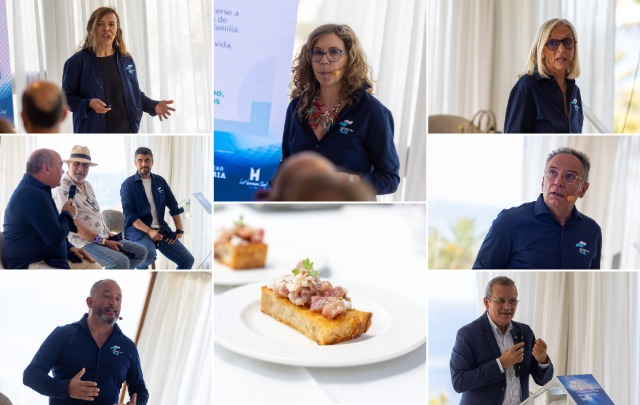
Tenerife wraps up the 8th Meeting of the Seas with a resounding message: “The sea is worth so much more alive than dead”
News
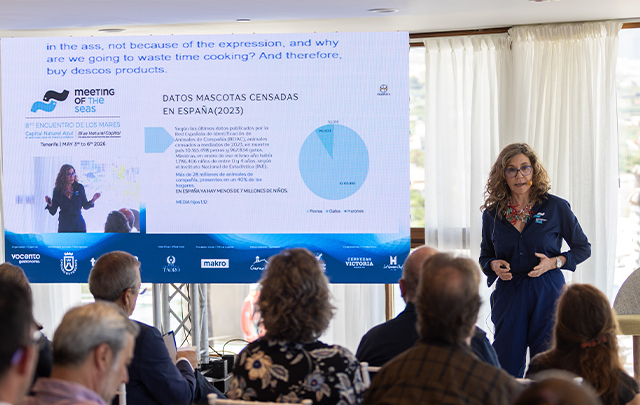
The Challenge of Fish on Spanish Tables: María Luisa Álvarez’s Call to Revive the Culture of the Sea
News

Ciguatera: An Emerging Threat in the Canary Islands
News
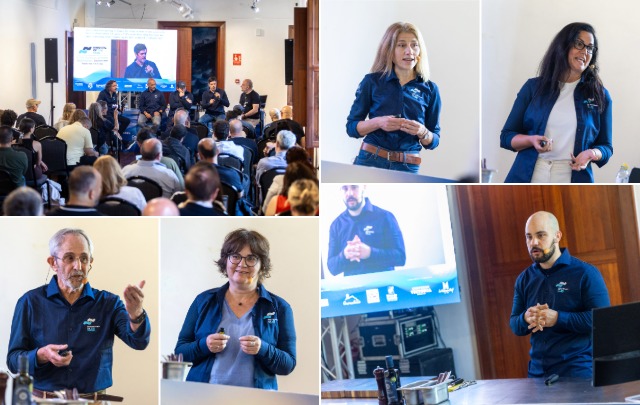
The “Meeting of the seas” conference puts a price tag on the oceans in Tenerife: they generate $2.2 trillion and shape the future of food
News
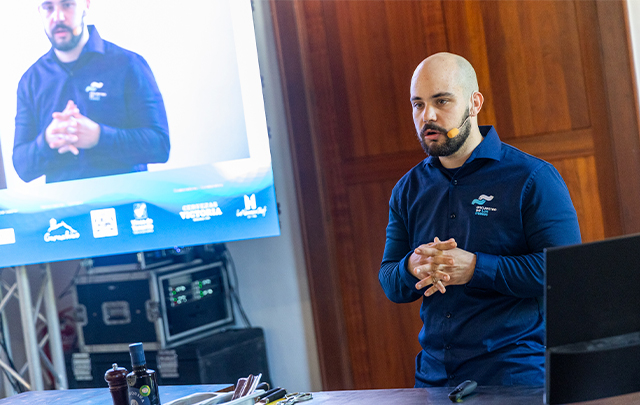
Rethinking the taste of the sea through memory and sustainability
News
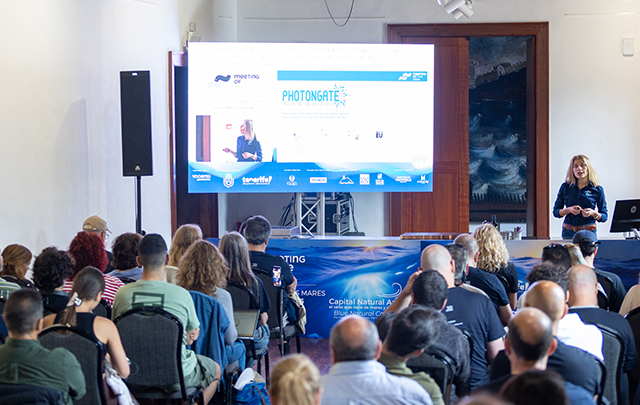
The Science Behind the Taste of the Sea: Ana Fuentes and the Sustainable Revolution in Seafood
News
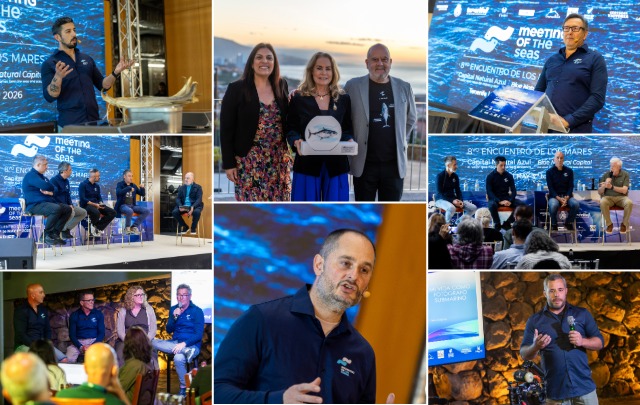
The 8th Meeting of the Seas calls for putting a price on the value of marine life in order to protect it
News
The luxury of simplicity
News
Alexandre Couillon: the memory of the sea on a plate
News