News
The Science Behind the Taste of the Sea: Ana Fuentes and the Sustainable Revolution in Seafood
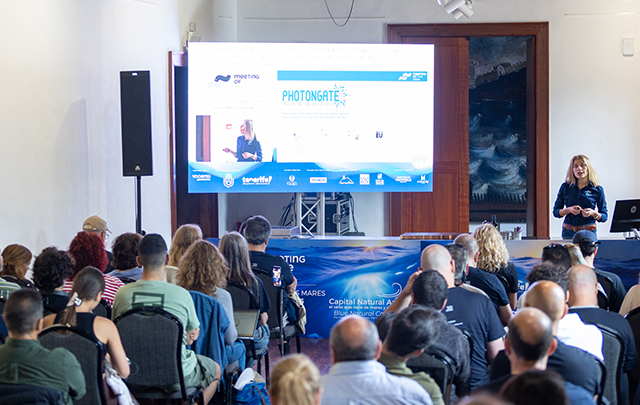
Researcher Ana Fuentes López, from the Polytechnic University of Valencia (UPV), delivered a presentation that combined tradition, science, and sustainability. With over 25 years of experience in food processing, Fuentes presented her group’s advances in fisheries process engineering, salt content reduction, and the revaluation of marine byproducts.
From the outset, the researcher noted that salting—an ancient preservation technique—was the starting point of her career. “Behind any culinary practice lie the laws of thermodynamics, transport phenomena, and chemical reactions,” she explained, emphasizing the importance of applying scientific principles to traditional processes. Her team has modeled operations such as drying, salting, and smoking, with the aim of optimizing times, improving yields, and ensuring product uniformity.
The turn of the century brought a new challenge: reducing sodium in the diet, driven by recommendations from the WHO and the European Union. Fuentes described how her group “reinvented itself” to develop low-salt seafood products without compromising safety or quality. “Salt doesn’t just add flavor; it’s the strategic ingredient that regulates juiciness, tenderness, and microbiological stability,” he noted. To this end, they have designed controlled desalting processes, explored alternative salts such as potassium chloride, and developed electronic sensors capable of monitoring salt content in real time.
The presentation also addressed advances in photonic technologies applied to quality control. In collaboration with European institutes, his group has developed interchangeable photonic cartridges to detect contaminants and pathogens such as Listeria monocytogenes or methylmercury, a reflection of marine pollution.
One of the key themes of his presentation was sustainability. Fuentes noted that more than 60% of seafood products are consumed in processed form, generating large volumes of waste. His team is working to ensure these byproducts remain within the human food chain by transforming them into functional ingredients. In the Biozostein project, coordinated by the University of Iceland, they utilized bycatch of Calanus—a zooplankton found in mackerel—to obtain an oil with antidiabetic and antioxidant properties.
From there, the research expanded to the use of mackerel and sardine offal and trimmings to produce protein hydrolysates with antidiabetic and antioxidant potential, as well as technological properties that allow for the replacement of synthetic additives. In the Sosmar project, funded by the Thinking Azul program, new products were developed from marine byproducts and consumer perception was studied, concluding that sustainability is gaining ground, although price remains a decisive factor.
Fuentes also highlighted the collaboration with the Institute of Biomaterials and Tissue Engineering in the development of marine-derived nanocarriers to treat intestinal diseases, and the production of biocides, bioactive peptides, and umami flavor enhancers from marine compounds.
In closing, the researcher offered an optimistic outlook: “The marine environment will be essential for producing sustainable materials and contributing to a better world.” Her final message encapsulated the spirit of her work: understanding the science behind tradition to transform the sea’s resources into health, innovation, and sustainability.
Related news
News
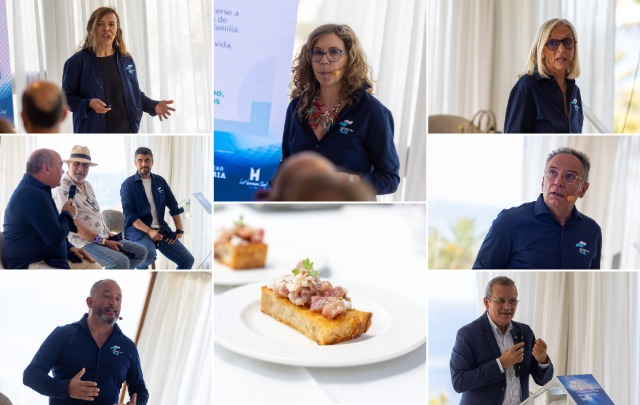
Tenerife wraps up the 8th Meeting of the Seas with a resounding message: “The sea is worth so much more alive than dead”
News
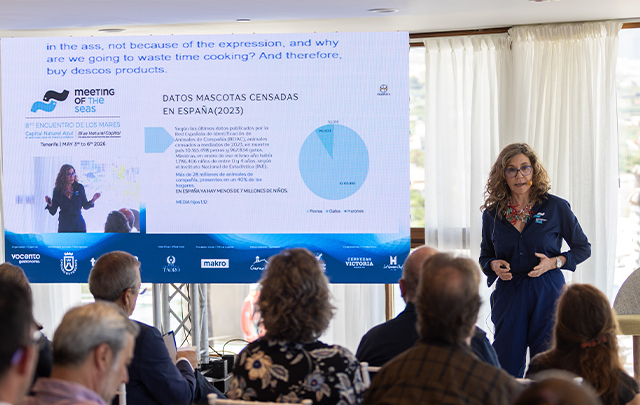
The Challenge of Fish on Spanish Tables: María Luisa Álvarez’s Call to Revive the Culture of the Sea
News

Ciguatera: An Emerging Threat in the Canary Islands
News
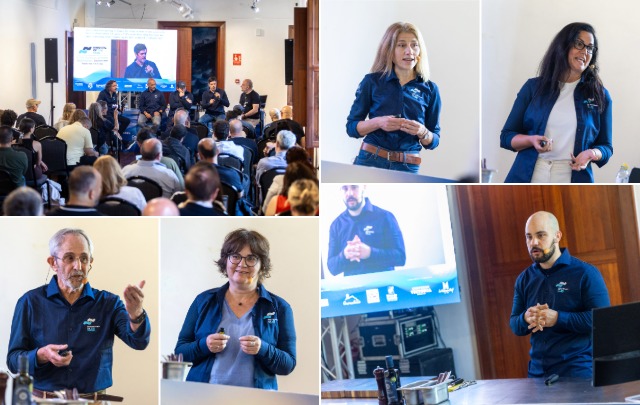
The “Meeting of the seas” conference puts a price tag on the oceans in Tenerife: they generate $2.2 trillion and shape the future of food
News
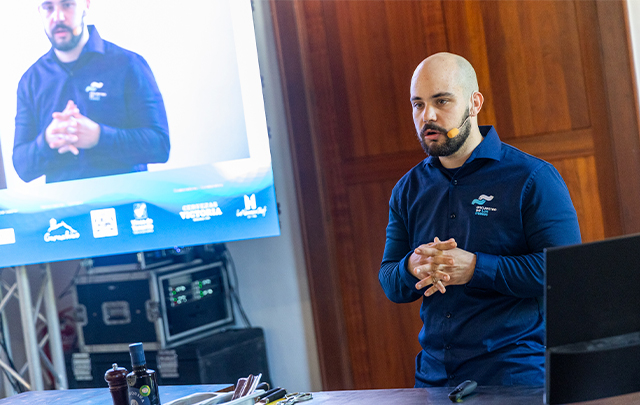
Rethinking the taste of the sea through memory and sustainability
News
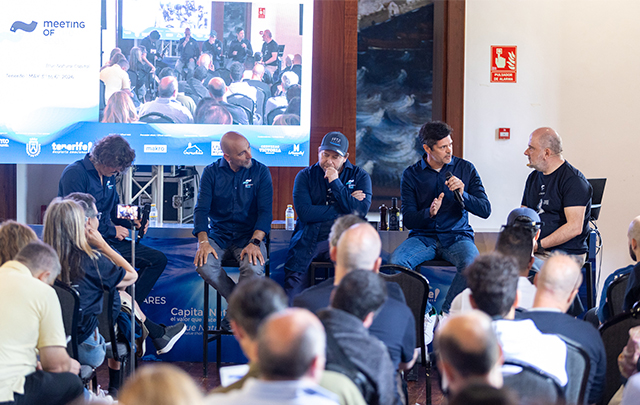
New horizons in seafood cuisine: authenticity, sustainability, and creativity from the Atlantic to the Mediterranean
News
The 8th Meeting of the Seas calls for putting a price on the value of marine life in order to protect it
News
The luxury of simplicity
News
Alexandre Couillon: the memory of the sea on a plate
News