News
A culinary philosophy that combines tradition, sustainability, and innovation
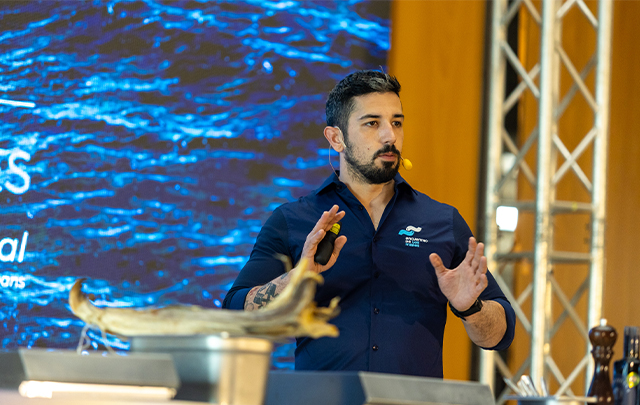
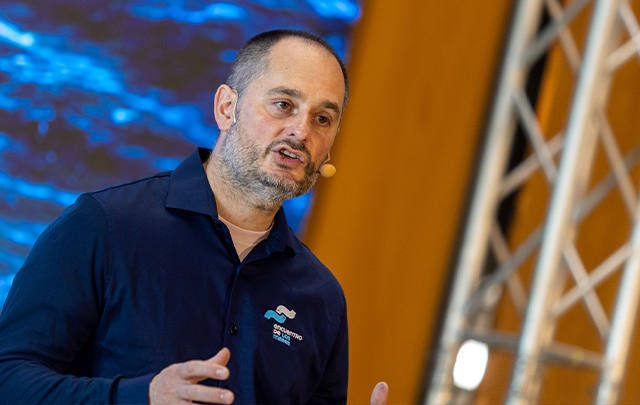
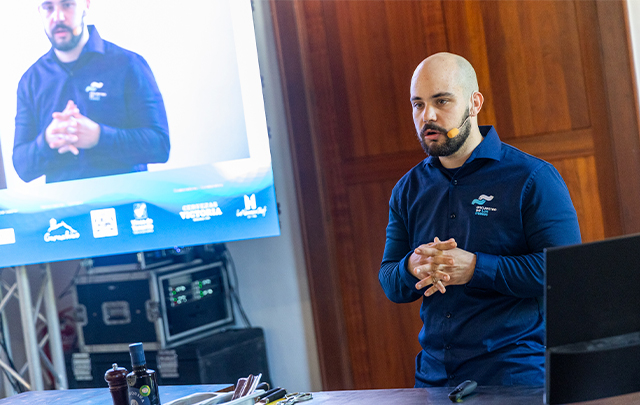
In a presentation that blended passion, technique, and cultural reflection, chef Carlos de Medeiros outlined the evolution of his culinary philosophy—an approach that fuses his Portuguese and African roots with Norwegian nature and a deep commitment to sustainability.
De Medeiros, who has worked in renowned restaurants in Portugal and at the three-Michelin-starred De Librije in Amsterdam, recounted how his arrival in Norway transformed his vision of cooking. “It’s not just about eating, but about connecting with what you eat and with the environment,” he stated, highlighting his practice of hunting some of the meat he serves in his restaurant as a way to maintain that connection to the land.
The chef emphasized the importance of organization and discipline in the kitchen—values he associates with his thwarted early military career—which he now applies to his team as the foundation for creativity. “Order and consistency also translate to the plate,” he explained.
One of the highlights of his presentation was a dish featuring oysters with shrimp from northern Norway and “Clip Fisk,” a traditional dried fish. De Medeiros explained how this product, air-dried for months on wooden racks, offers a depth of flavor comparable to Japanese katsuobushi. He also advocated for the use of underappreciated parts of the fish, such as the heads, which are often exported to Nigeria due to their high protein and gelatin content.
The presentation also highlighted collaboration with local producers: from biodynamic farmers to fishermen and seaweed harvesters. De Medeiros emphasized that his cuisine is built through dialogue with them, creating together both the ingredients and the tableware on which the dishes are served. “It’s not just about buying, but about building community,” he noted.
In his pursuit of sustainability, the chef has developed techniques such as making his own vinegars from leftover wines and local fruits, reducing dependence on imported products and controlling quality from the source. Finally, De Medeiros advocated for the need to educate diners and preserve culinary traditions in a changing world. “Transforming traditional techniques and highlighting local ingredients is a way to keep culture alive,” he concluded.
His presentation made it clear that his cuisine seeks not only flavor but also to tell a story of identity, respect for nature, and human collaboration—an approach that redefines gastronomic luxury through authenticity and consciousness.
Related news
News
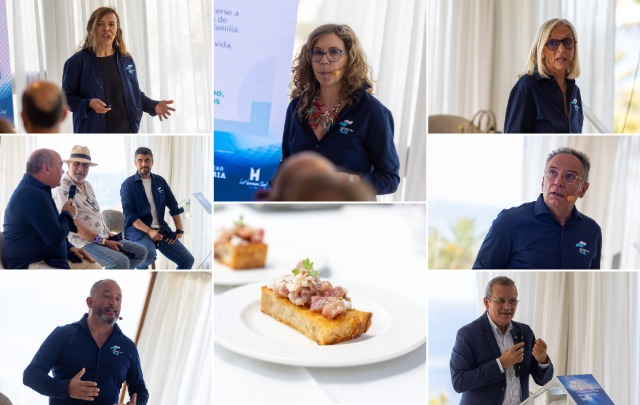
Tenerife wraps up the 8th Meeting of the Seas with a resounding message: “The sea is worth so much more alive than dead”
News
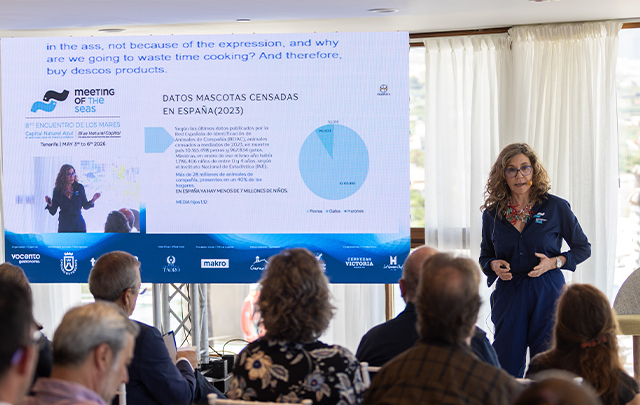
The Challenge of Fish on Spanish Tables: María Luisa Álvarez’s Call to Revive the Culture of the Sea
News

Ciguatera: An Emerging Threat in the Canary Islands
News
The “Meeting of the seas” conference puts a price tag on the oceans in Tenerife: they generate $2.2 trillion and shape the future of food
News
Rethinking the taste of the sea through memory and sustainability
News
New horizons in seafood cuisine: authenticity, sustainability, and creativity from the Atlantic to the Mediterranean
News
The Science Behind the Taste of the Sea: Ana Fuentes and the Sustainable Revolution in Seafood
News
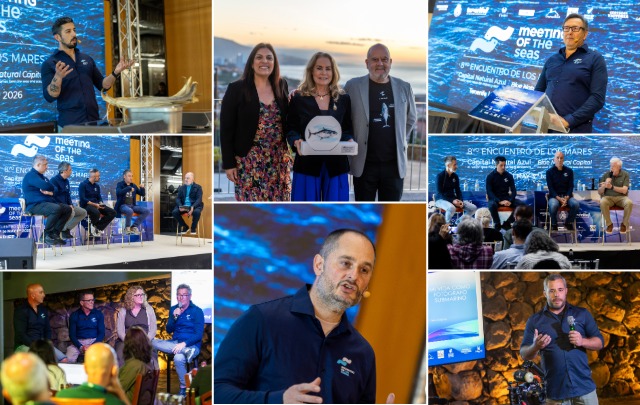
The 8th Meeting of the Seas calls for putting a price on the value of marine life in order to protect it
News
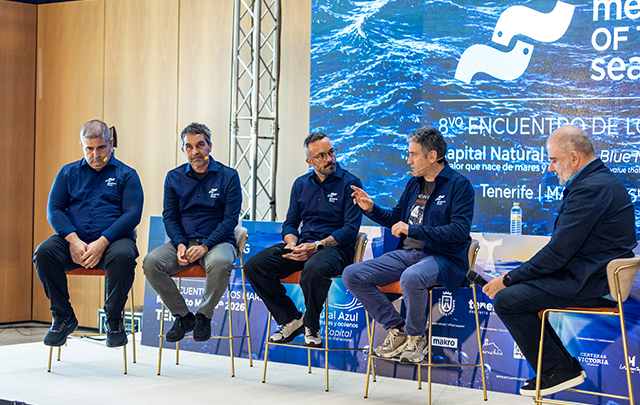
The luxury of simplicity
News