News
Aquaculture: Key to Europe's Sustainable Future
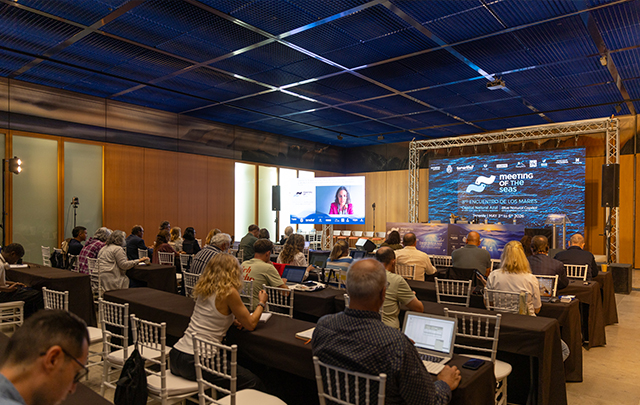
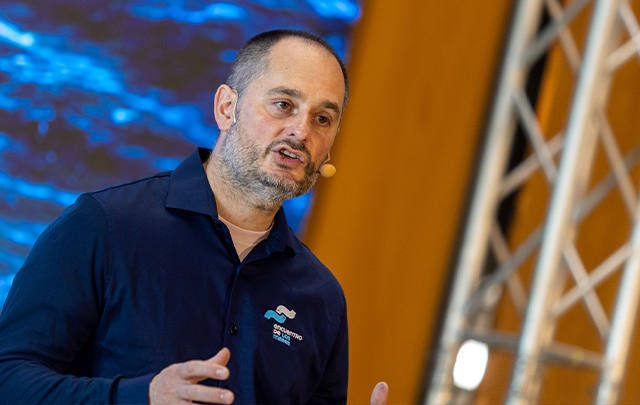
Focusing on the strategic role of aquaculture within the European Union’s food and environmental policy, Lorella de la Cruz, an expert from the European Commission, emphasized that this sector has become essential to ensuring food security, environmental sustainability, and economic development in coastal and rural areas.
During her remarks, Lorella emphasized that aquaculture—the cultivation of aquatic organisms using techniques that increase production beyond the environment’s natural capacity—is currently the fastest-growing food sector worldwide, even surpassing fishing as the primary source of aquatic animal protein. In Europe, although it accounts for only 0.7% of global production, its economic value and innovation potential make it a strategic pillar of the so-called blue economy.
The expert noted that the Common Fisheries Policy and Regulation 1380/2013 establish the regulatory framework for aquaculture in the EU, with strategic guidelines updated in 2021 that require each Member State to develop a multiannual national plan. Spain, France, Italy, and Greece account for the bulk of production, focused on species such as mussels, trout, sea bream, and sea bass.
However, the sector’s growth faces significant challenges: administrative complexity, competition for space and water, business fragmentation—more than 90% are family-run microenterprises—and a lack of social acceptance. “Although consumption of aquatic products is growing, aquaculture remains poorly understood by the public,” Lorella noted. To reverse this perception, the European Commission launched the campaign “EU Aquaculture: More Than a Job, a Passion,” featuring producers who highlight the human and sustainable aspects of their work.
Among emerging challenges, Lorella highlighted climate change, biodiversity loss, the energy transition, and generational succession. Cases such as the loss of clams in Italy due to invasive species or the floods affecting Galician mussels illustrate the sector’s vulnerability.
In response, the EU is promoting policies to strengthen the resilience and competitiveness of aquaculture, foster technological innovation, promote the use of renewable energy, and develop a blue bioeconomy based on the valorization of byproducts and seaweed cultivation—one of the major bets for the future.
Lorella concluded her remarks with a look toward 2040, when the European Union aims to have a competitive, sustainable aquaculture sector that is fully integrated into the ecological transition. “Aquaculture is not just a source of food,” she stated, “it is an opportunity to build an economic model that is more in balance with nature and with the communities that depend on the sea.”
Related news
News
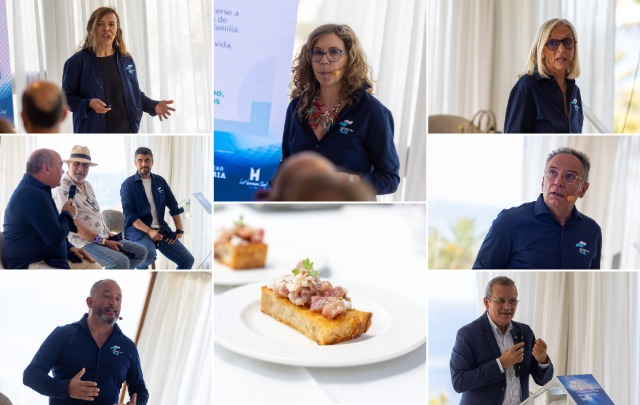
Tenerife wraps up the 8th Meeting of the Seas with a resounding message: “The sea is worth so much more alive than dead”
News
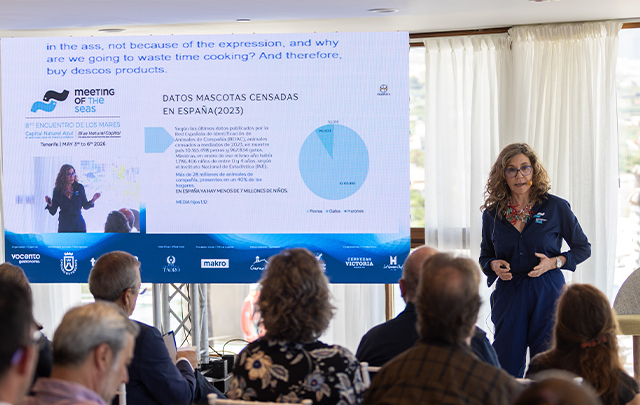
The Challenge of Fish on Spanish Tables: María Luisa Álvarez’s Call to Revive the Culture of the Sea
News

Ciguatera: An Emerging Threat in the Canary Islands
News
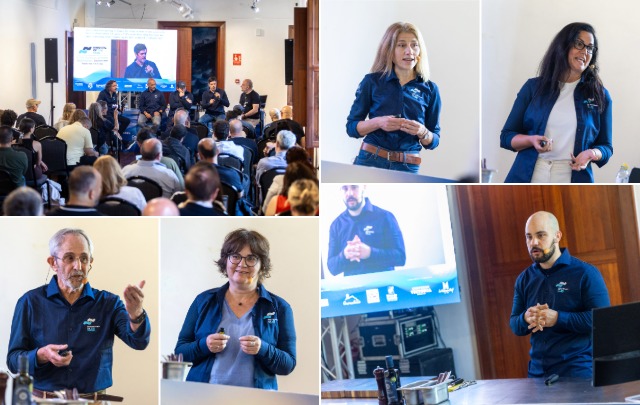
The “Meeting of the seas” conference puts a price tag on the oceans in Tenerife: they generate $2.2 trillion and shape the future of food
News
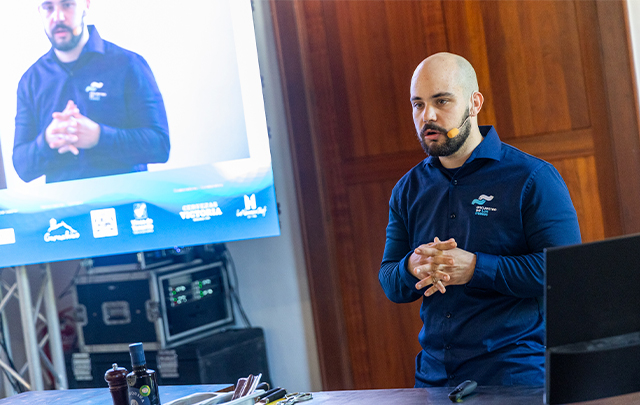
Rethinking the taste of the sea through memory and sustainability
News
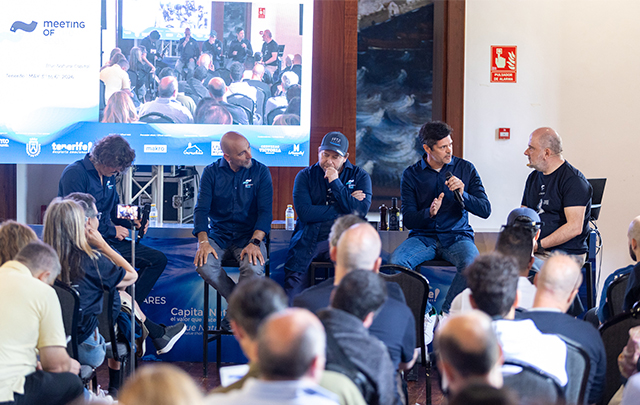
New horizons in seafood cuisine: authenticity, sustainability, and creativity from the Atlantic to the Mediterranean
News
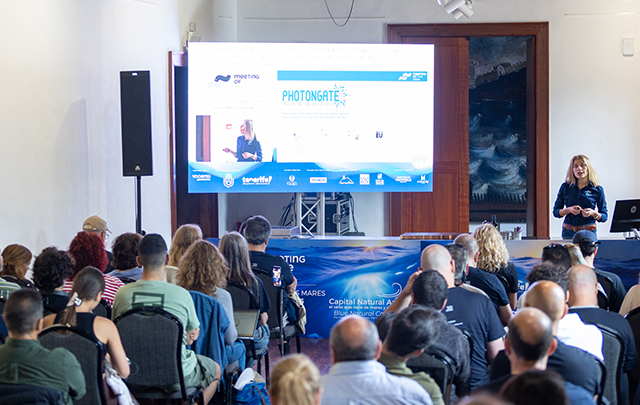
The Science Behind the Taste of the Sea: Ana Fuentes and the Sustainable Revolution in Seafood
News
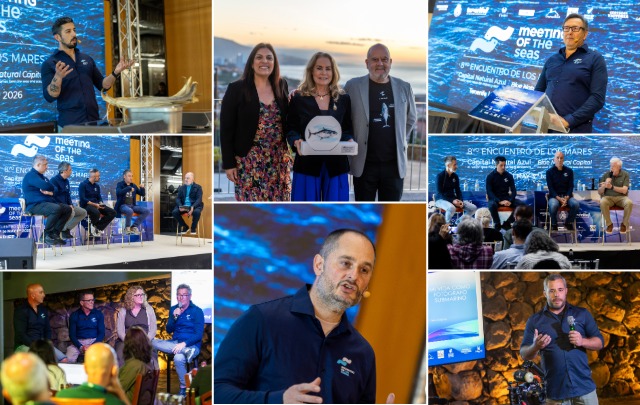
The 8th Meeting of the Seas calls for putting a price on the value of marine life in order to protect it
News
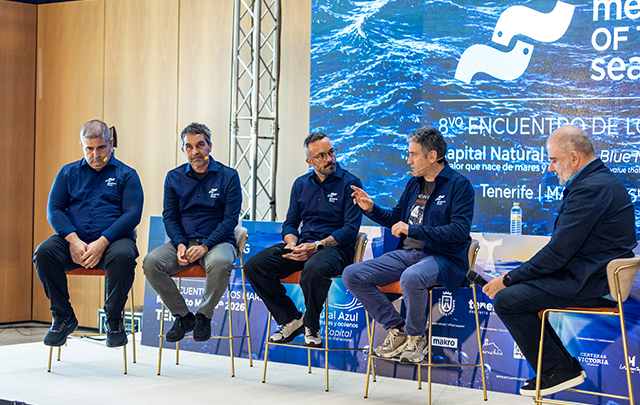
The luxury of simplicity
News