News
Carlos Duarte: “The ocean is the forgotten natural capital that sustains our economy”
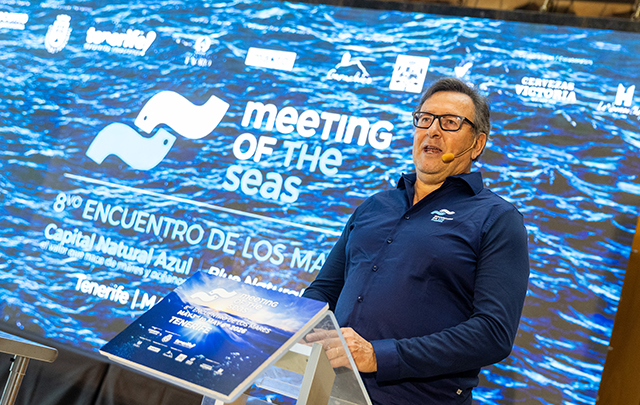
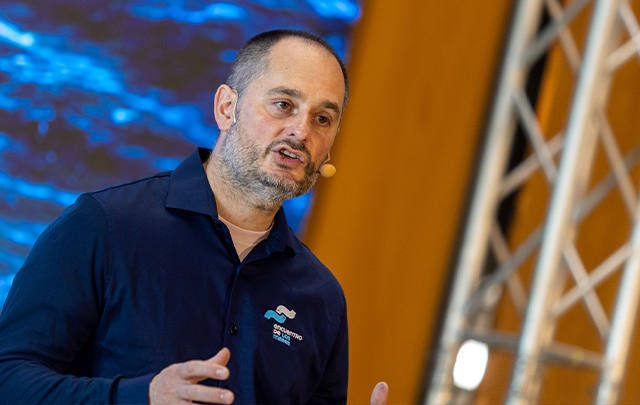
At the eighth edition of the Meeting of the seas conference, oceanographer Carlos Duarte—a professor of Marine Sciences at King Abdullah University of Science and Technology (Saudi Arabia)—delivered a presentation that combined science, economics, and environmental ethics. His message was clear: marine life is not only essential to the planet’s balance but also constitutes a natural capital of incalculable value that humanity has ignored for centuries.
Duarte began by noting that the oceans regulate the climate, provide food, generate medicinal compounds, and protect coastlines. However, he warned that these ecosystem services are not reflected in the markets, because living nature lacks a recognized economic value. “We know how much a dead tuna is worth at the Tokyo fish market, but not how much that same tuna is worth swimming freely in the sea,” he pointed out.
The scientist explained that this economic blindness has deep roots: 19th-century market theory assumed that nature was inexhaustible and, therefore, of zero value. That view, combined with the so-called “tragedy of the commons”—according to which goods that belong to no one tend to be overexploited—has led to the loss of 55% of marine life abundance since 1970.
Duarte emphasized that coastal ecosystems, such as mangroves and seagrass beds, are essential not only for biodiversity but also for human protection. He recalled that, following the 2004 Indian Ocean tsunami, areas with mangroves suffered fewer damages and deaths, which spurred massive reforestation programs. He also highlighted their role as carbon sinks: “One hectare of seagrass meadow can capture up to 17 times more carbon than one hectare of the Amazon rainforest.”
The oceanographer presented the blue carbon strategy, which channels private investment toward the conservation of marine ecosystems. He cited the case of the Sundarbans mangrove forest, between Bangladesh and Pakistan, where a restoration project valued at $1 billion protects more than 62 million people. Such initiatives, he explained, generate an annual economic flow of $10 billion, marking a historic shift: “For the first time, the private sector is investing not in extracting from the ocean, but in restoring it.”
Duarte also welcomed the new European legislation requiring the restoration of 20% of degraded ecosystems by 2030 and 100% by 2050, extending environmental responsibility to the business sector. “Restoring nature is no longer just the task of governments, but also of the companies that have benefited from its exploitation,” he stated.
In the most illustrative part of his speech, Duarte compared the economic value of live marine animals versus dead ones. A live shark in Costa Rica can generate $1,200 per kilo through ecotourism, compared to just $1.50 if sold as meat. In Belize, a live whale shark can contribute $2 million over its lifetime, while a dead one barely reaches $1,000. In Palau, shark watching accounts for 3% of the national GDP.
The scientist also addressed the case of the vaquita, the most endangered mammal on the planet, with only ten individuals remaining. Although it does not generate direct economic benefits, its conservation mobilizes millions of dollars annually. “Society recognizes that losing a species is an irreparable loss,” he said. Duarte concluded his presentation with a call to redefine the relationship between the economy and nature: “Marine life has value, and that value must be recognized, protected, and integrated into our economic decisions.”
His message resonated as both a warning and an opportunity: the future of the blue economy will depend on our learning to invest not only in what the sea gives us, but in keeping alive the very source of its wealth.
Related news
News
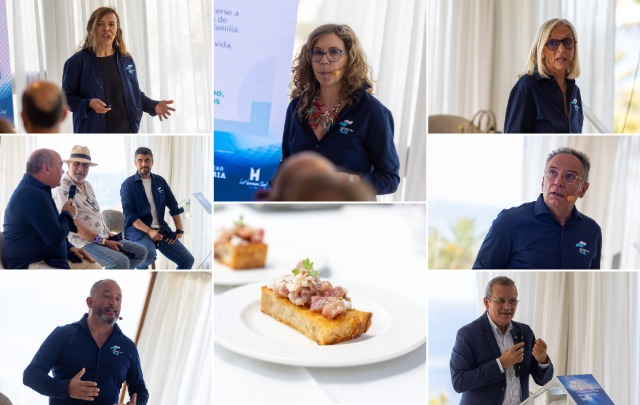
Tenerife wraps up the 8th Meeting of the Seas with a resounding message: “The sea is worth so much more alive than dead”
News
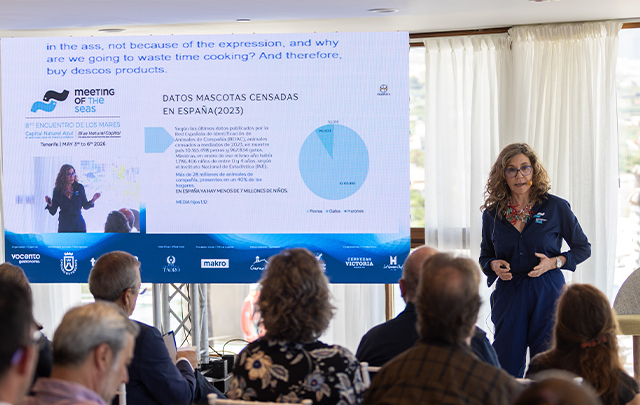
The Challenge of Fish on Spanish Tables: María Luisa Álvarez’s Call to Revive the Culture of the Sea
News

Ciguatera: An Emerging Threat in the Canary Islands
News
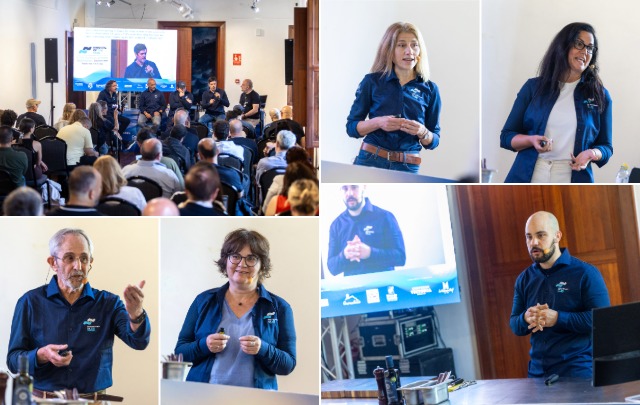
The “Meeting of the seas” conference puts a price tag on the oceans in Tenerife: they generate $2.2 trillion and shape the future of food
News
Rethinking the taste of the sea through memory and sustainability
News
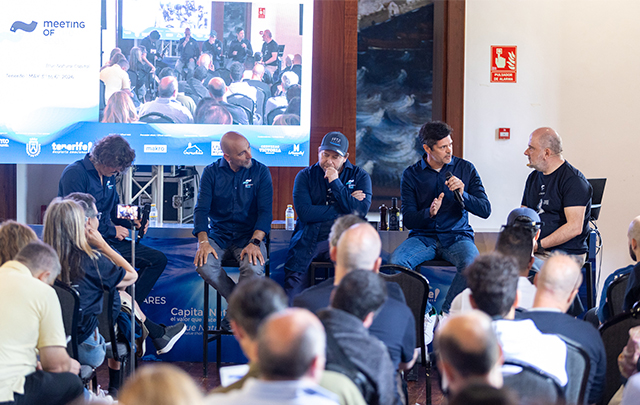
New horizons in seafood cuisine: authenticity, sustainability, and creativity from the Atlantic to the Mediterranean
News
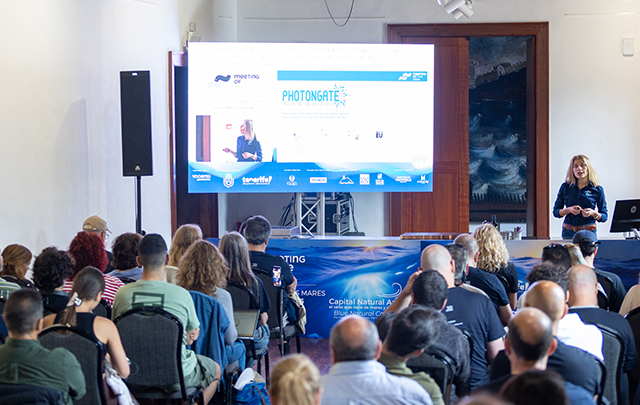
The Science Behind the Taste of the Sea: Ana Fuentes and the Sustainable Revolution in Seafood
News
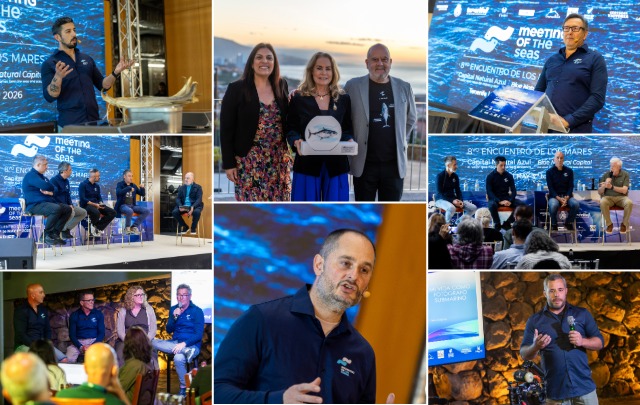
The 8th Meeting of the Seas calls for putting a price on the value of marine life in order to protect it
News
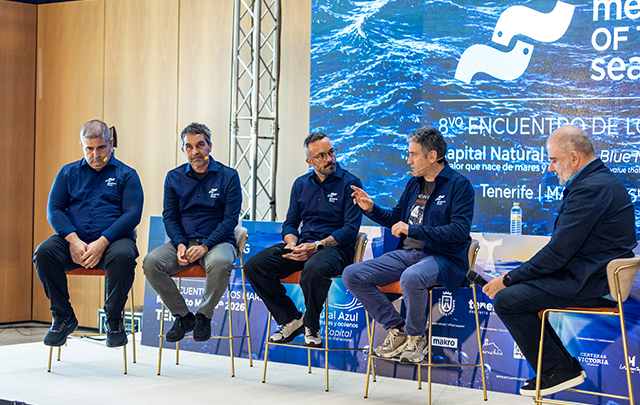
The luxury of simplicity
News