News
Rethinking the taste of the sea through memory and sustainability
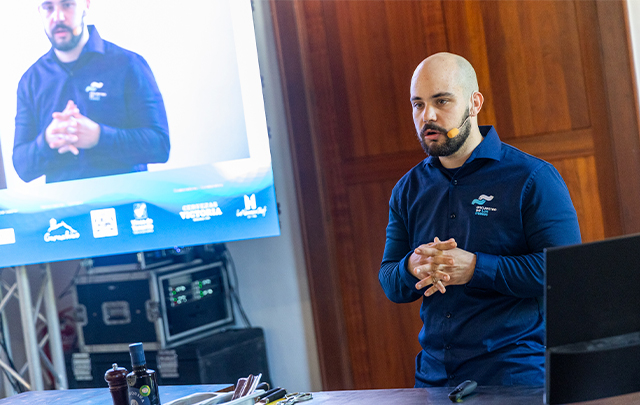
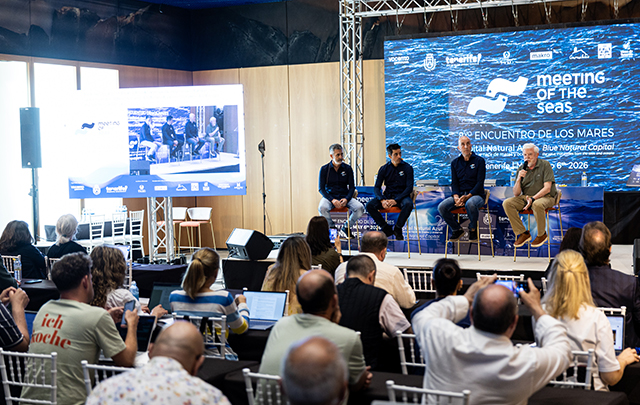
Italian chef Jacopo Ticchi, the driving force behind Da Lucio restaurant, offered a profound reflection on the value of fish and the quest for the authentic “taste of the sea.” His presentation, closer to a philosophical meditation than a simple culinary demonstration, revolved around three themes: the aging of fish, sustainability in the management of raw materials, and the redefinition of flavor beyond traditional seasonings.
Ticchi presented a new fish-focused menu, conceived as a sensory journey through time. He explained how the controlled aging of marine species can transform their texture and enhance their flavor, just as it does with land meats. “Time can impart value to the raw material,” he stated, emphasizing that well-aged fish not only retains its freshness but can also acquire more complex nuances and a more interesting texture.
The chef recounted the origins of Da Lucio, a project launched seven years ago with the aim of rethinking the entire seafood supply chain, from catch to plate. His goal: to give value to every part of the fish, even those considered “secondary”—such as the head, collar, or innards—and thus reduce waste. In his restaurant, these parts are proudly presented to diners as a form of culinary education and a sign of respect for the product.
In recent years, Ticchi has taken his research a step further: what does fish really taste like? As he explained, the taste of the sea is shaped by cultural memory and the seasonings that accompany it. “In Italy, fish tastes of garlic, parsley, and oil; in Japan, of soy and miso; in Spain, of roasted garlic and the grill,” he reflected. But what does fish taste like on its own, without those additions?
To explore this question, during the fishing ban, the chef proposed a fish-free menu that nevertheless evoked the sea through vegetables, meats, and techniques that reproduced marine sensations. The experiment sought to provoke diners and challenge the idea that the taste of the sea depends exclusively on the product.
Ticchi acknowledged that he still doesn’t have a definitive answer. “There are no definitive answers, but there are questions that force us to think,” he said. From that search emerged the two creative pillars that guide his current cuisine: reflection on time and memory as generators of flavor, and the need to restore fish to its purest identity.
His presentation concluded with an open invitation to the culinary community: to continue asking what “the taste of the sea” truly means and how cuisine can translate it into experiences that respect both the product and the history it carries with it.
In Ticchi’s words, “the sea is not just cooked, it is interpreted.”
Related news
News
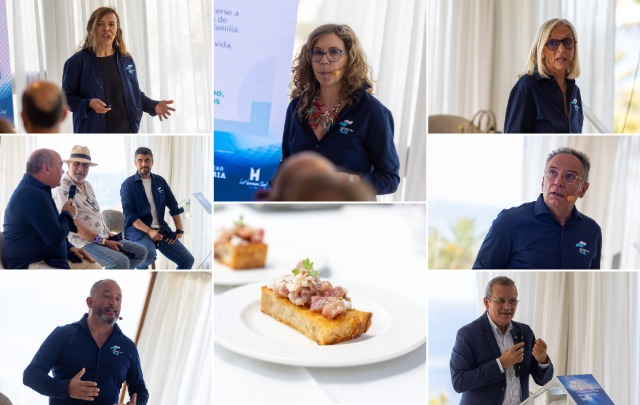
Tenerife wraps up the 8th Meeting of the Seas with a resounding message: “The sea is worth so much more alive than dead”
News
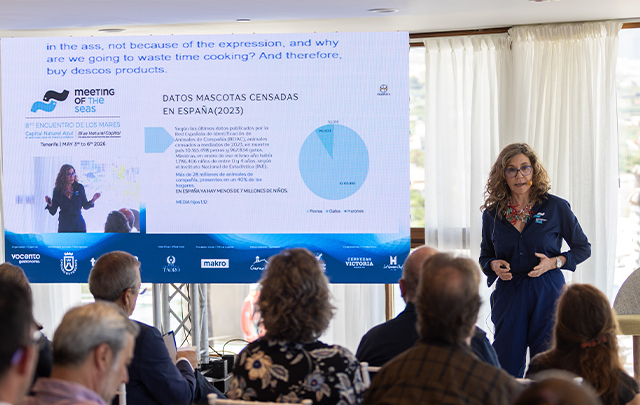
The Challenge of Fish on Spanish Tables: María Luisa Álvarez’s Call to Revive the Culture of the Sea
News

Ciguatera: An Emerging Threat in the Canary Islands
News
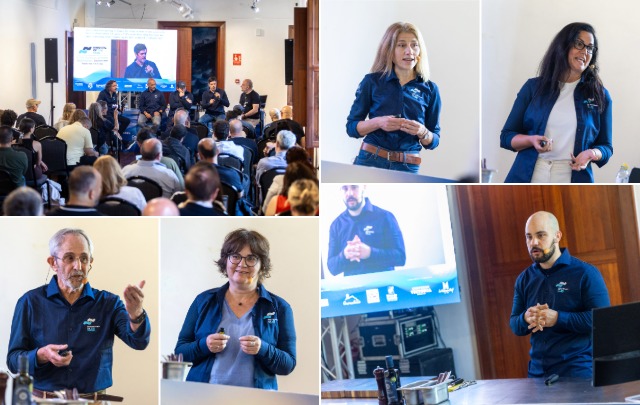
The “Meeting of the seas” conference puts a price tag on the oceans in Tenerife: they generate $2.2 trillion and shape the future of food
News
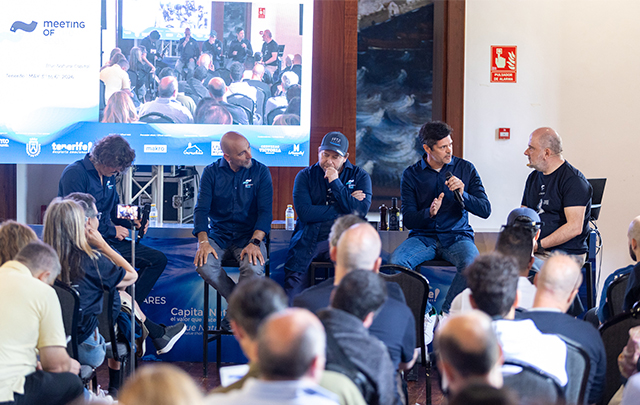
New horizons in seafood cuisine: authenticity, sustainability, and creativity from the Atlantic to the Mediterranean
News
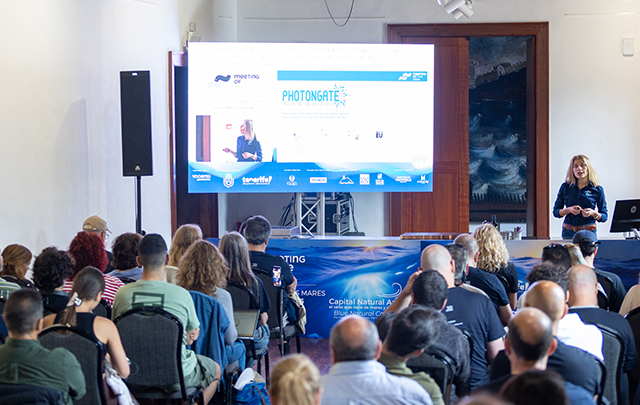
The Science Behind the Taste of the Sea: Ana Fuentes and the Sustainable Revolution in Seafood
News
The 8th Meeting of the Seas calls for putting a price on the value of marine life in order to protect it
News
The luxury of simplicity
News
Alexandre Couillon: the memory of the sea on a plate
News