News
Tenerife wraps up the 8th Meeting of the Seas with a resounding message: “The sea is worth so much more alive than dead”
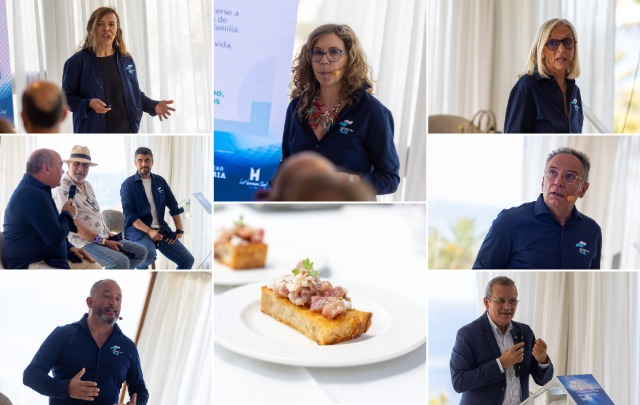
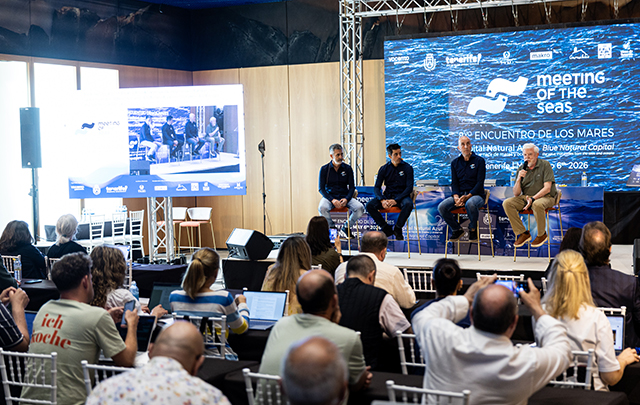
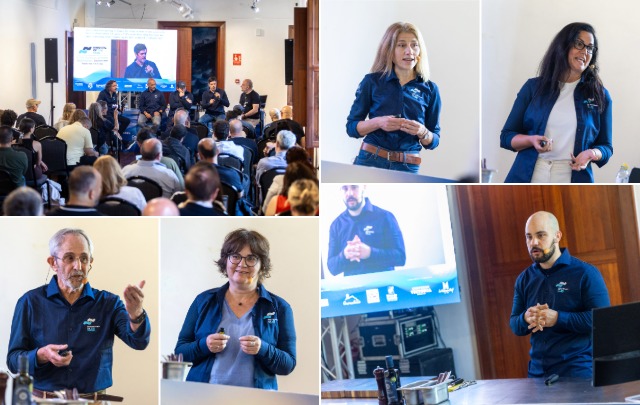
The 8th edition of Meeting of the seas concluded today in Tenerife after three days of dialogue between the scientific, culinary, and fishing communities, with a shared message: the future of food depends on the health of the ocean and on the culinary world’s ability to connect consumers with those who live and work at sea. Chefs, researchers, and international experts have highlighted the value of marine ecosystems as the planet’s essential pantry and have advocated for greater social awareness regarding the protection of marine resources. “The phrase that sums up everything said over the three days of this conference is that the sea is worth far more alive than dead,” said its director, Benjamín Lana, at the closing ceremony.
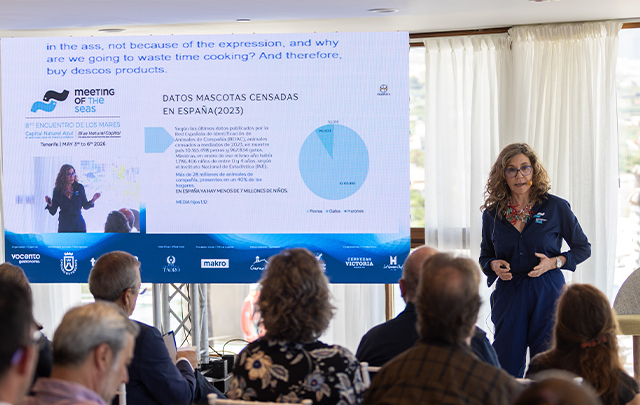
The third day of presentations built to a crescendo, culminating in the devastating presentation by María Luisa Álvarez Blanco, general director of the National Federation of Provincial Associations of Fish Retailers in Spain (FEDEPESCA). Álvarez stated that “Spain prides itself on being a fish-consuming country, but the reality is that it is consuming less and less. Consumption has dropped from 24.6 kilograms per person in 2014 to 17.99 kilograms in 2025, and that is a disaster from a health perspective, especially since the places where the least fish is consumed are homes with children,” she emphasized.
Citing an overwhelming array of data, the head of FEDEPESCA highlighted that one of the main problems is the loss of the habit of cooking at home (“more than 8 million people, 41% of the population, never cook”), and lamented the damage that self-serving messages from the food industry are doing to fish consumption. “They insist that fish is expensive, when its price is below the income tax threshold, and they insist that it is difficult to cook, when artisanal fishmongers—the sector I represent—offer us deboned fish, ready to cook, deliver it to our homes, and even provide prepared dishes and culinary experiences.” Something that, in his opinion, is very important is applying a zero CPI rate, “as befits a healthy food that would save all Spaniards so much in healthcare costs. There is a fish for every palate and every budget. In contrast, we have ultra-processed foods, which are not food,” he emphasized.
Eduardo Guardiola, CEO of the El Amarre group (Seville), which includes restaurants such as Tribeca and Cañabota (*), several small-scale fishing boats, and the first educational fish market where people from the sea talk to customers and culinary students about fish, focused his remarks on how gastronomy can become a tool to raise the profile and strengthen the fishing sector. “Working with seasonal fish not only offers higher quality and better prices, it also allows us to tell the story of the dish and the fisherman,” he argued, insisting on the need to “debunk clichés about the life of a sailor and give prominence to the producer.” Guardiola stressed the need to give visibility and fair treatment to fishermen. “Fifty cents per kilo can change the reality of people leaving the trade so that a fisherman father encourages his son to continue in the trade instead of advising him to quit.”
The region and the emotional connection between the sea and the kitchen were the focus of the conversation between Miguel Barrera, chef at Cal Paradís* (La Vall d’Alba, Castellón), and Alberto González Margallo, chef at San Sebastián 57 (Santa Cruz de Tenerife). Barrera explained that his cuisine “stems from looking out the restaurant window,” amidst mountains, truffles, mushrooms, and Mediterranean fish, championing a “natural” fusion of land and sea “linked to memory and emotion.” “We are great ambassadors for the fishermen,” he noted, highlighting the value of bluefish from Castellón and the importance of sharing that with the customer. For his part, González Margallo defined his cuisine as “the love between a farmer and a mermaid,” uniting the coast and the interior through the land and emotion. “We cook what we are,” he affirmed, highlighting the historical importance of techniques such as salting and canning to connect the sea with inland areas. He also recalled that “behind every dish there are invisible heroes” and defended the need to tell the stories that underpin local and seasonal produce.
Blue Natural Capital: Ecosystems That Feed and Sustain the Planet Ester Serrão, professor at the University of the Algarve and coordinator of the BEE team at the CCMAR – Center for Marine Sciences, took the audience to Mauritania—“a desert region that was lush 10,000 years ago, and for which the sea is the means of life and survival”—to showcase the underwater forests that sustain life. “Ecosystems generate streams of benefits over time, but when they collapse, recovery can take up to 300 years,” she warned, recalling the case of the Newfoundland cod, whose populations have still not recovered after more than three decades. Serrão emphasized the enormous ecological and economic value of seagrass beds and macroalgae, which are essential for storing carbon, protecting coastlines, and sustaining fisheries. “If we were to lose the carbon stored in seagrass beds, the social cost would be billions of dollars,” he noted, insisting that protecting these ecosystems is essential for the future of the planet.
Professor Santiago Hernández León, director of the Institute of Oceanography and Global Change (IOCAG) at the University of Las Palmas de Gran Canaria, highlighted the Canary Islands’ great blue treasure and its role in climate regulation. Hernández León warned of the pressure on the archipelago’s marine ecosystems due to overfishing, mass tourism, and certain aquaculture practices. “We are creating an ecological problem by feeding carnivorous fish with millions of small fish,” he warned in reference to aquaculture, calling for greater culinary and industrial commitment to the farming and consumption of planktivorous species and less-valued products. “Chefs must lead by example and make these fish appealing so that they can become widely consumed by humans,” he argued.
Science, Monitoring, and Ocean Protection
Researcher Ana Gago-Martínez, a professor in the Department of Analytical and Food Chemistry at the University of Vigo and president of the European Section of AOAC International, addressed the emerging risk of ciguatera in the Canary Islands, a form of poisoning associated with the consumption of fish contaminated with marine toxins. “Traditionally, it was a tropical disease, but rising sea temperatures and changes in ecosystems are facilitating its spread into the Mediterranean,” she explained. The expert highlighted the role of the European EuroCigua project, coordinated by Spain, which has enabled the development of the world’s first surveillance protocol in the Canary Islands. “Communication is essential: we must educate the public without causing alarm, because people need to keep eating fish,” she concluded.
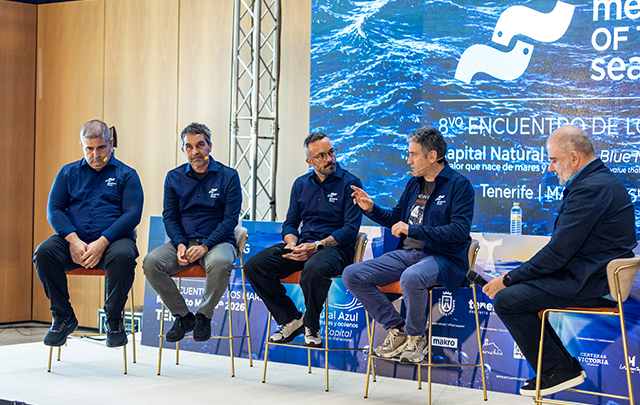
Valentín Esteban González, CEO of the Primary Sector and Animal Welfare Department of the Tenerife Island Council, noted at the closing ceremony that “the sea we see today is not the same one we inherited, nor the same one we will leave behind. We must work to leave the sea in a better state than we found it, and we must stop viewing it as merely a landscape or a pantry and instead see it as natural capital. That is blue natural capital.” Benjamín Lana, general director of Vocento Gastronomía and the driving force behind the conference, highlighted the format’s ability, over the course of eight editions, to promote dialogue and exchange among people connected to the sea in different ways, and concluded that “aside from hundreds of new facts and ideas that we will all have to process and digest, there is one key takeaway: the sea is worth far more alive than dead; let’s work to protect it.”
Related news
News
The Challenge of Fish on Spanish Tables: María Luisa Álvarez’s Call to Revive the Culture of the Sea
News

Ciguatera: An Emerging Threat in the Canary Islands
News
The “Meeting of the seas” conference puts a price tag on the oceans in Tenerife: they generate $2.2 trillion and shape the future of food
News
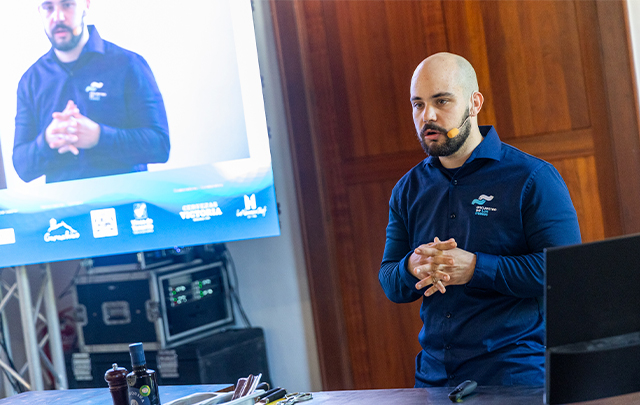
Rethinking the taste of the sea through memory and sustainability
News
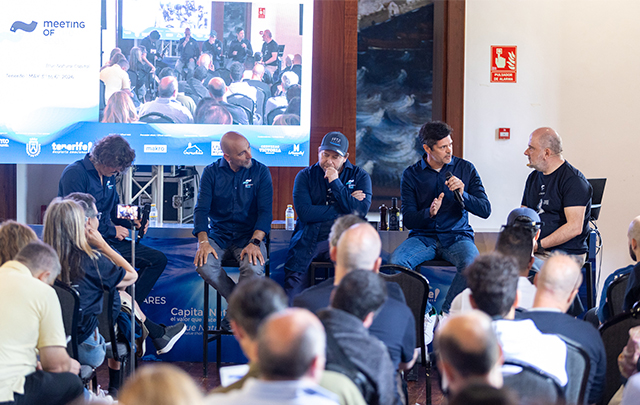
New horizons in seafood cuisine: authenticity, sustainability, and creativity from the Atlantic to the Mediterranean
News
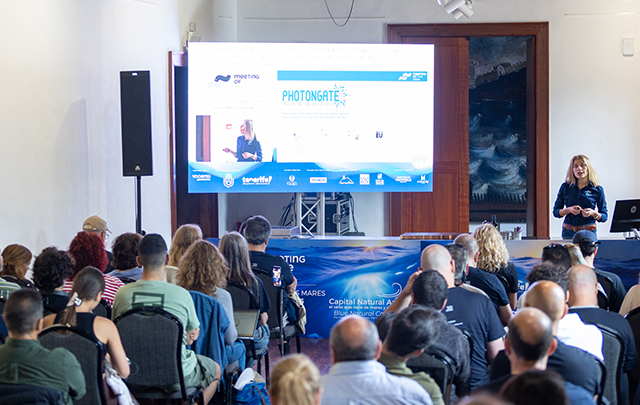
The Science Behind the Taste of the Sea: Ana Fuentes and the Sustainable Revolution in Seafood
News
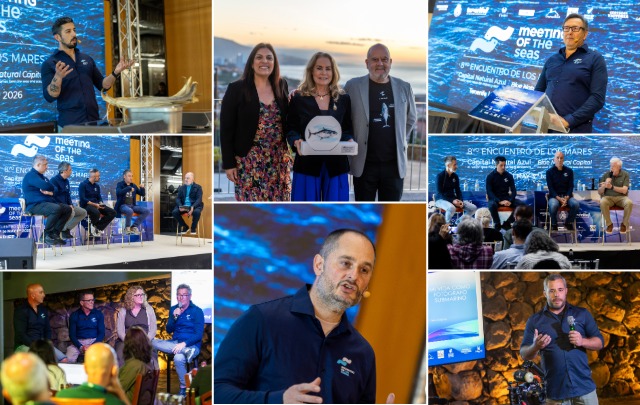
The 8th Meeting of the Seas calls for putting a price on the value of marine life in order to protect it
News
The luxury of simplicity
News
Alexandre Couillon: the memory of the sea on a plate
News